make preferable
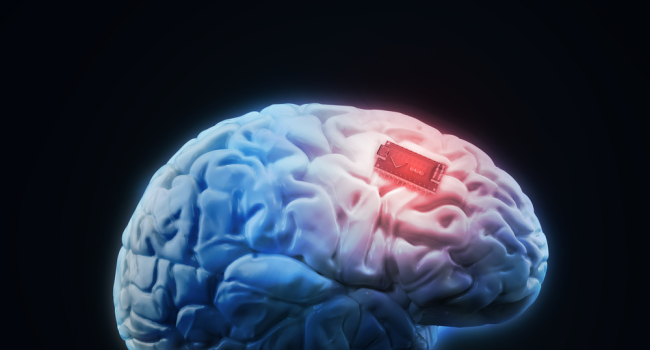
For the first time in decades, a device similar to a pacemaker, but for the brain, brought joy to a man. This patient had suffered from severe depression since the age of 13 and was only able to achieve full remission at the age of 44. “He felt joy for the first time in many years,” said Damien Fair, a representative of the University of Minnesota, according to New Scientist.
The “pacemaker,” specially designed for the patient and implanted in his brain, selectively activates different areas. Such weak electrical impulses can be effective if the patient has been prescribed several different types of antidepressants, but they have had little effect, according to Focus. However, electroconvulsive therapy (ECT) also often fails to bring relief.
“It's a one-size-fits-all approach; you're targeting the same place [in the brain] in everyone,” Fair explained.
However, every brain is unique, so it is not always possible to target the right areas to alleviate a particular person's condition.
A 44-year-old man was hospitalized for depression at the age of 13. Doctors tried 20 different treatments, including antidepressants, therapy, and ECT, but nothing had a lasting effect. The patient attempted suicide three times.
“This is one of the most severe cases of depression,” Fair emphasized.
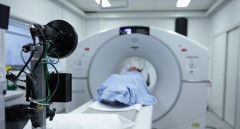
He and his colleagues were able to help the patient by developing a more individualized approach for him. First, his brain was scanned for 40 minutes using MRI. This allowed them to map the boundaries of four brain activity networks associated with his severe depression.
It turned out that the system of areas in his brain that respond to stimuli was four times larger than in people who do not suffer from depression. According to Fair, this could have contributed to the symptoms.
After that, four groups of electrodes were surgically implanted in the man through two small holes in his skull. Just three days after the operation, weak electrical impulses were sent through external wires, stimulating each of the four areas. When the first network, which is responsible for internal emotions and self-awareness, was stimulated, the man cried with joy.
When stimulation also affected the network involved in planning actions, the patient felt calm. When they targeted his frontal-parietal network, which helps with decision-making, he became more focused.
The device installed by the researchers works like a kind of “pacemaker” for the brain. It provides minute stimulation to different areas every 5 minutes throughout the day. For the first six months, the man used a special app to switch stimulation modes every few days. He also recorded his symptoms of depression daily so that the team could analyze the data once a month and make the necessary adjustments.
Just seven weeks after the operation, the patient's suicidal thoughts disappeared, and after nine months, he went into remission. It is noted that his condition deteriorated slightly after contracting COVID-19 for a short period, but overall, improvement has been observed for more than 2.5 years.
A special study is needed to test the safety and benefits of the new approach. It will be conducted as follows: a large group of people diagnosed with depression will be randomly divided into two groups, one of which will receive stimulation and the other a placebo. The team hopes to do this in the next two years, after testing the “pacemaker” for the brain on a larger number of individual cases.