make preferable
Two recent genomic studies have shown how human activities are driving the evolution of mosquitoes and the spread of diseases like malaria and dengue fever.
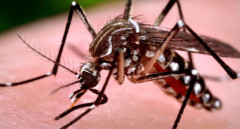
The research, published in the journal Science, focuses on two of the most dangerous mosquito species, Aedes aegypti and Anopheles funestus. These species have adapted and spread due to human intervention, which complicates the fight against them and the control of diseases.
In one study, Jacob Crawford and colleagues investigated Ae. aegypti – the primary vector of dengue, chikungunya, and Zika. The precise origin of the globally invasive Ae. aegypti has long been debated. Crawford et al. sequenced 1206 genomes from 73 globally distributed populations, using coalescent and phylogenetic analyses to disentangle ancient from recent migration events. According to the findings, after evolving a preference for humans in West Africa, Ae. Aegypti made its way to the Americas during the Atlantic slave trade, with the globally invasive lineage ultimately arising in the Americas. More recently, this invasive lineage has re-entered Africa and interbred with native populations, coinciding with increased dengue outbreaks and the spread of insecticide-resistance mutations.
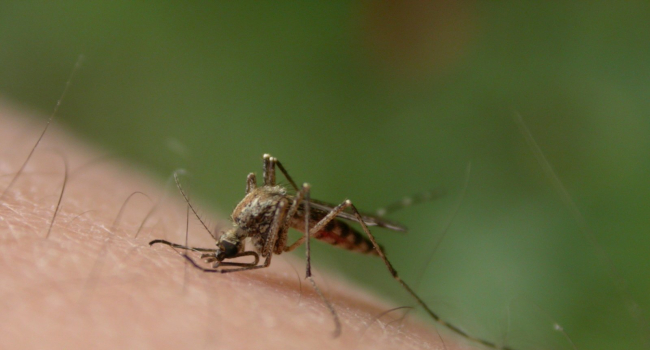
In another study, Marilou Boddé and colleagues performed a sweeping genomic analysis of An. funestus to investigate how this major malaria vector has adapted, particularly under vector control pressure. Boddé et al. sequenced 701 modern and historic An. Funestus mosquitoes from 16 African countries. The findings revealed a complex population structure – while some populations showed strong geographic structuring, others were genetically connected across wide distances, with distinct lineages emerging in places like North Ghana and South Benin. According to the authors, this diversity suggests that uniform control strategies are unlikely to succeed, emphasizing the need for locally tailored interventions. Moreover, by comparing modern samples with century-old museum specimens, the team showed that insecticide resistance arose both through independent mutations and the spread of resistant lineages. Most insecticide resistant variants found in modern An. Funestus were not found in historical species from as recent as 1967, suggesting rapid emergence. Boddé et al. also discovered promising gene drive targets within An. Funestus, which could enable more effective and strategic vector control efforts.
These studies highlight the importance of considering human impacts when developing strategies to combat mosquito-borne diseases. More personalized and innovative approaches are needed to control mosquito populations and the spread of disease.