make preferable
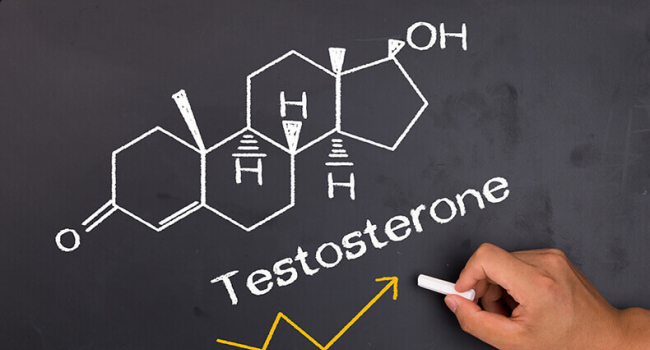
Applying testosterone gel makes men more likely to mimic the behavior of their opponents in social games, according to Chinese researchers. The study was published in the journal Psychoneuroendocrinology (PNE).
The experiment involved 62 healthy young men aged 21–22. One group applied a testosterone gel (150 mg) to the shoulder, while the other received a placebo. Neither the participants nor the experimenters knew which substance was used. After an hour, the volunteers played up to 100 rounds of a modified version of the “prisoner’s dilemma” game against a computer opponent. After each round, they could send one of four emojis to their rival.
The prisoner’s dilemma is a classic game theory problem in which two players choose between cooperation and betrayal. Mutual cooperation benefits both, but betrayal yields a higher payoff for one player if the other continues to cooperate. However, mutual betrayal results in losses for both.
The results showed that under the influence of testosterone, men were more likely to cooperate if their partner also cooperated, and more likely to retaliate when betrayed. They also tended to respond with angry emojis when the opponent sent sad or angry ones.
“Testosterone increases men’s tendency to cooperate: they are more willing to strike a deal if they consider their opponent worthy,” the authors of the study noted.