make preferable
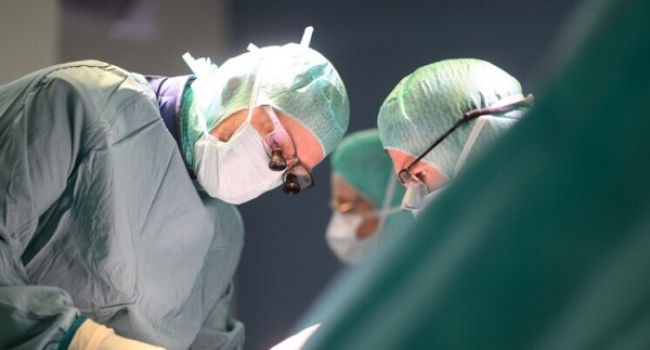
Surgeons in China have performed the world’s first pig-to-human liver transplant, extending the life of a 71-year-old man by 171 days. The study detailing this breakthrough was published in The Journal of Hepatology.
According to the report, the surgery marked a major milestone in medicine. Doctors removed the patient’s right liver lobe, which was affected by a tumor, and transplanted a portion of a genetically modified pig liver onto the remaining left lobe. The donor organ came from a miniature Diannan pig engineered with ten genetic modifications designed to reduce the risk of immune rejection and improve blood coagulation.
The patient suffered from liver cancer and cirrhosis caused by hepatitis B. Under Chinese health regulations, patients in such advanced stages are typically ineligible for donor liver transplantation due to poor survival prospects.
During the first month after the operation, the transplanted pig liver functioned normally — producing bile and synthesizing key blood-clotting proteins without signs of rejection. This allowed the patient’s remaining native liver tissue to partially regenerate. However, on day 38, his condition worsened due to thrombotic microangiopathy — a complication associated with immune reactions and blood vessel damage. Although treatment temporarily stabilized his condition, recurrent internal bleeding later led to his death five and a half months after the surgery.
Chinese researchers said the experiment confirmed that a pig liver can temporarily sustain essential physiological functions in the human body. They believe that such xenotransplantation techniques could help address the global shortage of donor organs and eventually save more lives.
According to the World Health Organization (WHO), thousands of people die each year from liver-related diseases that could be treated with timely transplantation. However, the supply of donor organs remains critically limited. In China alone, more than 300,000 people experience liver failure annually, but only a small fraction receive transplants — in 2022, donor livers were available for just 6,000 patients.