make preferable
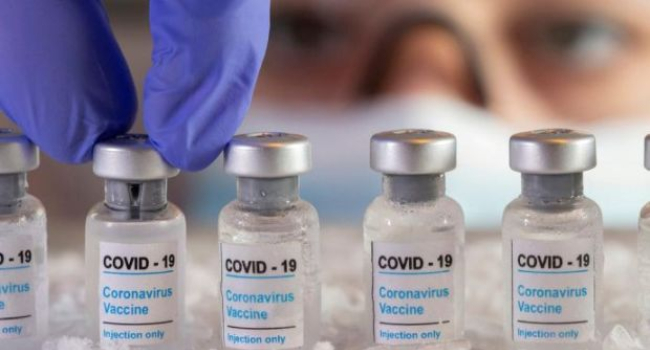
Reports have appeared in the media and on social networks claiming that during the coronavirus pandemic, the European Commission allegedly approved the use of DNA vaccines without proper safety checks. But is that true?
Posts on social media and other outlets cite an article published by the German newspaper Berliner Zeitung under the headline: “EU Commission admits: ‘Corona’ vaccines were released without ‘complete’ safety data.”
According to Euronews, Berliner Zeitung refers to a question raised by Gerald Hauser, a Member of the European Parliament from the far-right group Patriots for Europe and a vocal critic of the EU’s vaccine strategy.
The politician asked why Brussels did not inform citizens that the efficacy and safety of DNA vaccines had allegedly not been fully verified.
In August, Brussels responded that the vaccines had received “conditional marketing authorization,” which facilitates access to medicines in cases of “unmet medical needs.” This applies to emergencies such as pandemics, when the standard approval and registration process is accelerated.
In an interview with the EuroVerify program, the European Commission stated that it is incorrect to call such vaccines “untested.” They represent a compromise solution in which the urgent need for access to a medicine outweighs potential risks. For instance, the Ebola vaccine received conditional authorization in 2019 to fight the epidemic and was granted full approval in 2021.
DNA-based coronavirus vaccines had already been deployed, but their clinical trials continued—with the participation of tens of thousands of people. Eventually, these vaccines received full marketing authorization. However, monitoring of these products remains ongoing, meaning that if safety issues arise, the authorization can be revoked.