make preferable
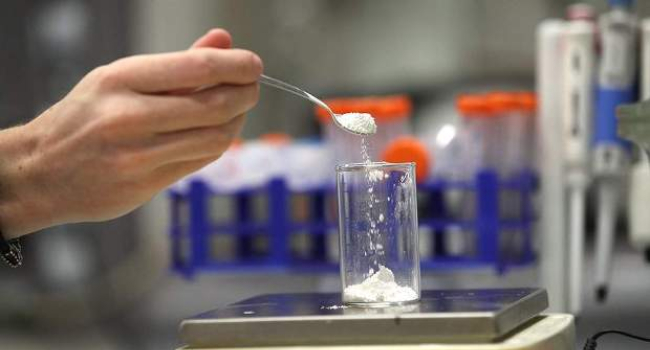
A cardiac medication that is 250 years old has entered clinical trials for the first time in centuries — this time as a potential treatment for pancreatic cancer. The findings were published in the International Journal of Translational Medicine.
The drug in question is digitoxin, originally developed as a heart medicine derived from the foxglove plant (Digitalis purpurea). Researchers from the University of Skövde, together with Skaraborg Hospital, have launched a study to determine whether digitoxin can disrupt cancer cell metabolism, affect calcium balance, and stop tumor growth or even induce cell death.
Pancreatic cancer is one of the most aggressive cancer types, with a five-year survival rate of less than 5%. In laboratory experiments, digitoxin has already shown the ability to suppress cell proliferation, although the responses vary greatly depending on the tumor type.
In the current trial phase, the researchers aim to establish the optimal dosage, confirm the drug’s safety for patients, and verify whether the biomarkers identified in the lab are also effective in a clinical setting. They are using five different pancreatic cancer cell lines to better understand which tumors might respond to treatment and which patients could benefit the most in the future.
If successful, digitoxin could become part of the arsenal against pancreatic cancer — a disease for which there are currently very few effective therapies.