make preferable
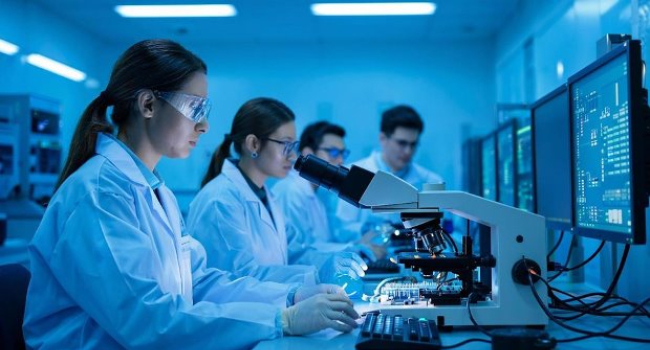
A combined treatment using the hormone oxytocin and an Alk5 enzyme inhibitor may significantly extend the lifespan of elderly male mice, according to researchers at the University of California. The findings were published in the journal Aging.
Oxytocin is widely known as the “bonding hormone” because it plays a key role in forming social connections and reducing stress. The Alk5 inhibitor (referred to as A5i) suppresses the activity of a protein associated with age-related changes and inflammation. Together, these effects may help slow aging processes.
The experiments were conducted on mice aged 25 months — roughly equivalent to 75 years of age in humans.
The combined therapy was administered regularly. In male mice receiving the treatment, median lifespan increased by 73%, and overall survival rose by 14% compared to the control group. The treated mice also showed improvements in memory, motor coordination, and physical activity, while blood biomarkers of aging shifted closer to those of younger animals.
According to the researchers, the therapy was effective only in males — female mice did not show a significant increase in lifespan. The reasons for these sex-specific differences remain unclear, and the team plans further studies to better understand the mechanisms behind the effects of oxytocin and Alk5 inhibition.
The results open up new possibilities for developing approaches to extending healthy lifespan and combating age-related decline. However, the scientists stress that such methods must undergo rigorous testing for safety and efficacy before they can be used in humans.