make preferable
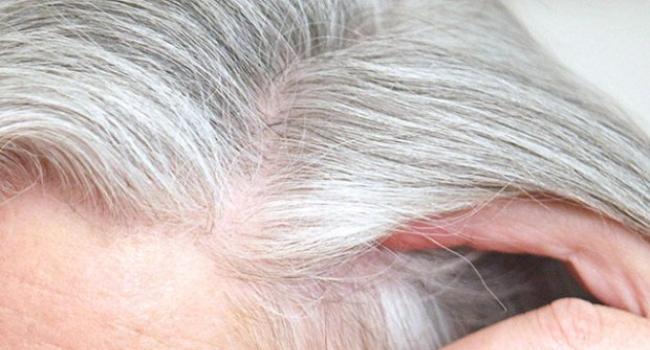
Cells responsible for producing the pigment melanin can behave differently when DNA is damaged: some disappear, causing hair to gray, while others persist—but this increases the risk of melanoma (skin cancer). This conclusion was reached by researchers at the University of Tokyo. The results were published in the journal *Nature Cell Biology*.
The scientists studied how melanocyte stem cells—the precursors to pigment-producing cells—respond to DNA damage and how this response influences the risk of developing skin cancer. It was previously known that stress and age contribute to hair graying and also increase the likelihood of cancer. Therefore, the researchers hypothesized that there might be a biological link between these processes.
Experiments on mice showed that when DNA double-strand breaks occur, melanocyte stem cells trigger a process called differentiation-coupled senescence. This leads to their depletion and, as a consequence, to the loss of pigment—hair graying. However, in this case, the body gains protection from melanoma because the damaged cells stop dividing.
But if the exposure comes from carcinogens, the protective mechanism is disrupted: differentiation is blocked, and the stem cells continue to self-renew even with damaged DNA. As a result, they can accumulate mutations and form tumors.
"The same population of stem cells can undergo opposite changes—either disappear or proliferate—depending on the type of stress and environmental signals," explains Professor Nishimura, the head of the research.
The researchers emphasize that hair graying does not directly protect against cancer, but it reflects the work of cellular mechanisms that balance between aging and the risk of malignant transformation.