make preferable
Researchers have succeeded in converting human stomach cells into insulin-producing β-cells, opening a potentially new pathway for the treatment of type 1 diabetes.
The article about the discovery was published in the journal Cell.
Type 1 diabetes develops due to insufficient production of the hormone insulin by the pancreas’ β-cells.
A team led by Huang Xiaofeng (USA, Weill Cornell Medicine) and Xia Qing (China, Peking University) had previously shown that stomach cells in mice could be genetically reprogrammed into β-cells.
In the new study, scientists created human stomach organoids (microstructures that model stomach function) and then genetically modified them by introducing a “genetic switch” that enables the cells to acquire β-cell properties.
After transplanting the organoids into the abdominal cavity of mice, they survived, connected with the circulatory system, and when the switch was activated, began producing insulin as well as expressing genes and proteins characteristic of β-cells.
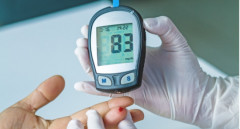
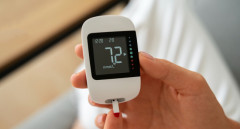
When this system was applied to diabetic mice, the insulin secreted by the modified cells helped control blood glucose levels and alleviated symptoms of diabetes.
Researchers emphasize that although the results are very promising, many additional studies are still needed to confirm this approach’s safety and efficacy for patients.