make preferable
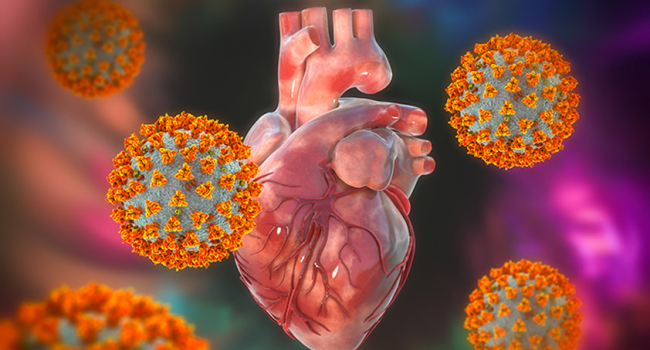
Unusual microstructures have been detected in the blood of individuals with post-COVID syndrome, and they may be linked to long-lasting fatigue, cognitive issues, and breathing difficulties. A study published in the Journal of Medical Virology found that such patients have nearly 20 times more microclots than healthy individuals. These clots were larger, denser, and far more resistant to breakdown.
Researchers also reported a sharp increase in NET structures — sticky DNA-based “nets” released by immune cells to trap pathogens. Previously, NETs and microclots were viewed as separate markers of inflammation, but the new findings show that in post-COVID patients they are interwoven. According to the authors, these dense complexes may disrupt microcirculation and sustain chronic inflammation, potentially explaining persistent cognitive and physical symptoms.
The difference between samples was so pronounced that an AI algorithm was able to identify blood from post-COVID patients based on a single type of microclot with about 91% accuracy. The researchers believe that the combination of microclots and NET structures may become the first objective biomarker of post-COVID syndrome.
Earlier, it was reported that people who have recovered from COVID-19 face a higher risk of developing femoral osteonecrosis.
Если хочешь, могу сделать перевод более формальным, научным или, наоборот, более простым.