make preferable
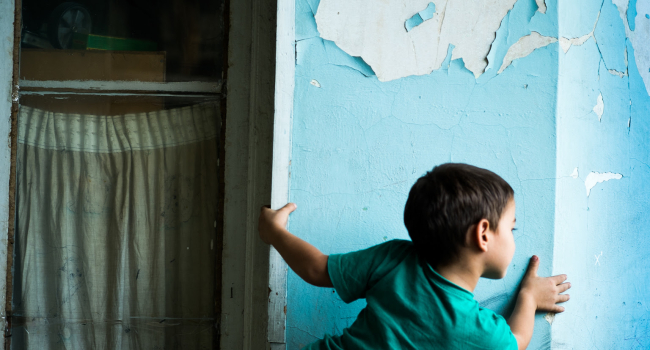
More than 1 in 5 children in low- and middle-income countries – or 417 million – are severely deprived in at least two vital areas critical for their health, development, and wellbeing, according to UNICEF’s flagship report issued on World Children’s Day today, UNICEF informs.
The State of the World’s Children 2025: Ending Child Poverty – Our Shared Imperative draws on data from over 130 low- and middle-income countries to assess the breadth of multidimensional poverty by measuring deprivations across six categories: Education, health, housing, nutrition, sanitation, and water. The analysis shows that 118 million children experience three or more deprivations, and 17 million face four or more deprivations.
“Children growing up in poverty and deprived of essentials like good nutrition, proper sanitation and shelter, face devastating consequences for their health and development,” said UNICEF Executive Director, Catherine Russell. “It doesn’t have to be this way. When governments commit to ending child poverty by implementing effective policies, they can unlock a world of possibilities for children.”
The share of children facing one or more severe deprivations in low-and-middle-income countries dropped from 51 percent in 2013 to 41 percent in 2023, largely due to prioritizing child rights in national policies and economic planning. However, progress is stalling. Conflict, climate and environmental crises, demographic shifts, mounting national debt and widening technological divides are compounding poverty.
The highest rates of multidimensional poverty among children are concentrated in Sub-Saharan Africa and South Asia.
Sanitation is the most widespread severe deprivation, with 65 percent of children lacking access to a toilet in low-income countries, 26 percent in lower-middle income countries, and 11 percent in upper-middle income countries.
The report also examines monetary poverty, which further limits children’s access to food, education, and health services. According to the latest data, more than 19 percent of children globally live in extreme monetary poverty, surviving on less than US$3 per day. Nearly 90 percent of these children are in Sub-Saharan Africa and South Asia.
The report includes an analysis on 37 high-income countries, showing that about 50 million children – or 23 percent of the child population in these countries – live in relative monetary poverty, meaning their household has significantly less income than most others in their country, potentially limiting their ability to participate fully in everyday life.
The State of the World’s Children 2025 highlights that ending child poverty is achievable, and underscores the importance of centering child rights, as outlined in the UN Convention on the Rights of the Child, in all government strategies, policies and actions aimed at poverty reduction, by:
- Making ending child poverty a national priority.
- Integrating children’s needs into economic policies and budgets.
- Providing social protection programs, including cash support to families.
- Expanding access to essential public services, such as education, healthcare, water, sanitation, nutrition, and housing.
- Promoting decent work for parents and caregivers to strengthen their economic security, which is closely linked to children’s progress.
The report comes at a time when many governments around the world are scaling back foreign assistance. Cuts in development aid could result in the deaths of 4.5 million children under the age of 5 by 2030, according to The Lancet. At the same time, recent UNICEF estimates show the cuts could leave six million more children out of school by next year.