make preferable
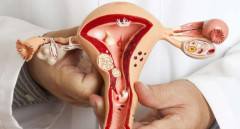
Worldwide, the number of cases of yeast infections and other diseases caused by Candida fungi that no longer respond to standard therapy is rising rapidly. Scientists are particularly concerned about resistance developing in Candida albicans, the main cause of yeast infections, which affect hundreds of millions of women each year, reports The Conversation.
According to the U.S. Centers for Disease Control and Prevention (CDC), about 7% of all Candida samples isolated from patients’ blood no longer respond to fluconazole, the primary antifungal medication. This means that even ordinary yeast infections increasingly require alternative treatment regimens, and severe Candida infections in immunocompromised patients are becoming harder to control.
Another growing concern is recurrent yeast infections, which currently affect around 138 million women, with estimates projecting 158 million cases by 2030.
Twenty years ago, resistance was rare. However, C. albicans is highly adaptable and can quickly develop resistance to drugs. Over the past eight years, studies have shown a steady increase in antifungal resistance. A 2024 study by Egyptian researchers found that nearly a quarter of clinical C. albicans isolates were resistant to fluconazole.
Resistance is accelerated by improper use of antifungal drugs, overuse in medicine and agriculture, and a limited arsenal of effective antifungal treatments. Global factors such as rising temperatures, environmental stress, and widespread use of fungicides also contribute. In these conditions, especially dangerous species emerge, such as Candida auris, which can survive exposure to multiple drug classes.
In healthy individuals, Candida is usually harmless, as the microbiome regulates its growth. But disruptions—antibiotic courses, stress, poor diet, illness—allow the fungus to proliferate.
Maintaining a healthy microbiome is one of the most effective prevention strategies. Experts recommend a diverse, fiber-rich diet, including fermented foods, avoiding excessive ultra-processed foods, taking antibiotics only as prescribed, and discussing probiotics and prebiotics with a doctor after antibiotic courses or in cases of recurrent yeast infections.