make preferable
The US state of Massachusetts has seen a sharp increase in flu cases, with the first wave of deaths among children this season, Medical Xpress reports.
As of early January 2026, four flu-related deaths have been confirmed in the state, including two children under the age of two in Boston, the first flu-related deaths in the city since 2013.
Massachusetts is experiencing an unusually severe flu season amid the spread of a new strain of the influenza A virus, which has led to a significant increase in confirmed cases. The number of infections is growing rapidly, and in many areas, hospitalizations have almost tripled compared to the last weeks of December 2025.
The Massachusetts Department of Public Health reports very high flu activity in the state, where emergency room visits for flu-related symptoms and complications continue to rise. The increase in severe illness and hospitalizations among young children is particularly notable.
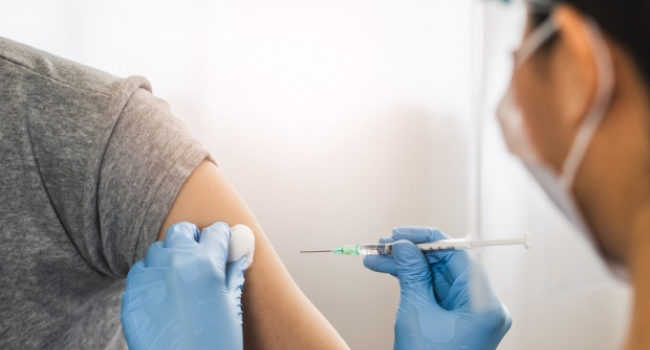
Experts emphasize that despite the relatively low effectiveness of the flu vaccine on the new strain, vaccination is still the main tool for protecting against severe complications, hospitalizations and death. The Boston Public Health Commission and some other local agencies have opened additional free vaccination clinics to expand vaccination coverage, especially among children six months and older.
According to health officials, this year’s flu season has started earlier than usual, and childhood illnesses and hospitalizations are already exceeding last year’s peak. Although the season has not yet peaked, experts warn of a possible further increase in severe cases. They urge parents to monitor their children's symptoms and to vaccinate, as soon as possible, those who have not yet been vaccinated.
The main symptoms of the flu—high fever, cough, runny nose, muscle aches—can quickly develop into serious complications, especially for young children and people with chronic diseases. Health workers advise parents to pay special attention to their children's breathing, persistent high fever, severe weakness, and other warning signs that require immediate medical attention.