make preferable
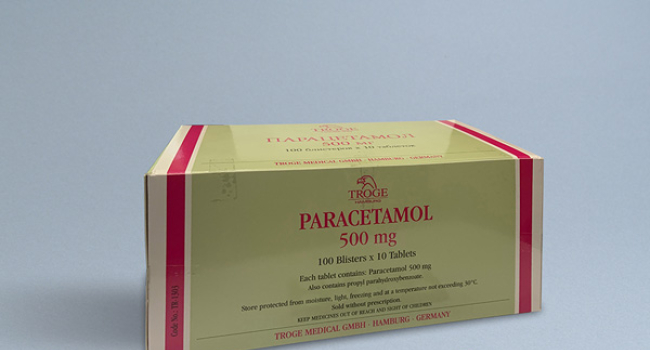
Taking paracetamol during pregnancy is safe, and no evidence has been found that it increases the risk of autism, ADHD, or other developmental disorders in children. This conclusion was reached by the authors of a large-scale review of the research literature.
The article was published in the leading scientific journal The Lancet Obstetrics, Gynaecology & Women’s Health. The authors selected 43 of the most reliable studies on paracetamol use during pregnancy. These studies analyzed the medical histories of hundreds of thousands of women, with particular attention paid to comparing pregnancies in which the mother used the painkiller with those in which paracetamol was not used.
Additional quality criteria included sibling-comparison studies—which made it possible to rule out the influence of genetics and family environment—and follow-up of children for more than five years.
“When we conducted this analysis, we found no links, no associations, no indications that paracetamol increases the risk of autism,” said the study’s lead author, consultant obstetrician Professor Asma Khalil, in an interview with the BBC. “The conclusion is clear: paracetamol remains a safe option during pregnancy when taken according to recommendations.”
Current medical guidelines for pregnant women explicitly recommend using paracetamol to relieve pain and reduce fever. Refusing such treatment increases the risk of miscarriage, preterm birth, and developmental disorders in infants.
In September last year, U.S. President Donald Trump stated that paracetamol “does no good” and that pregnant women should “fight like hell” to avoid taking it.
At the time, his remarks were criticized by medical organizations around the world. According to experts, the new Lancet publication meets the highest scientific standards and should put an end to the debate over the safety of paracetamol.
Some representatives of the Trump administration cited claims that “many experts” had expressed doubts about the safety of paracetamol, which is sold under various brand names, including Tylenol.
A representative of the U.S. Department of Health mentioned a literature review published in August 2025 by a group of researchers led by Andrew Baccarelli, dean of Harvard’s School of Public Health. The authors concluded that paracetamol (also known as acetaminophen) may be associated with an increased risk of autism and attention deficit hyperactivity disorder in children, especially when taken during pregnancy “in high doses or over long periods of time.”
Long before that, Health Secretary Robert F. Kennedy Jr. had stated his intention to identify the cause of the rising number of autism cases among children.
In September, Trump urged doctors not to prescribe paracetamol to pregnant women. Following this, the Food and Drug Administration (FDA) sent a letter to clinicians—i.e., practicing physicians—recommending that acetaminophen be prescribed to pregnant women with caution. At the same time, the document emphasized that it is the only antipyretic approved for use during pregnancy.
The FDA website also notes that a “causal relationship” between use of the drug and neurological disorders “has not been established.”
Experts who were not involved in preparing the review welcomed its conclusions, noting that it would help reduce anxiety among pregnant women.
As Professor Grainne McAlonan of King’s College London put it, women in this situation “do not need extra stress from doubts about whether a common headache remedy could have consequences for their child’s health.”
“I hope that the findings of this study will allow this discussion to be brought to a close,” she added.
Professor Ian Douglas of the London School of Hygiene & Tropical Medicine described the review as “well conducted” and emphasized that low-quality studies were excluded—those in which important factors such as comorbid conditions were not taken into account when comparing mothers who did and did not take paracetamol.
Professor Jan Haavik, a molecular neuroscientist and clinical psychiatrist at the University of Bergen, said the review provides “strong evidence” that paracetamol use during pregnancy does not increase the risk of autism, ADHD, or intellectual disabilities in children. He also expressed hope that the debate on this issue would come to an end.
Among scientists, the prevailing view is that autism develops under the influence of a complex combination of factors, including genetic and environmental ones.