make preferable
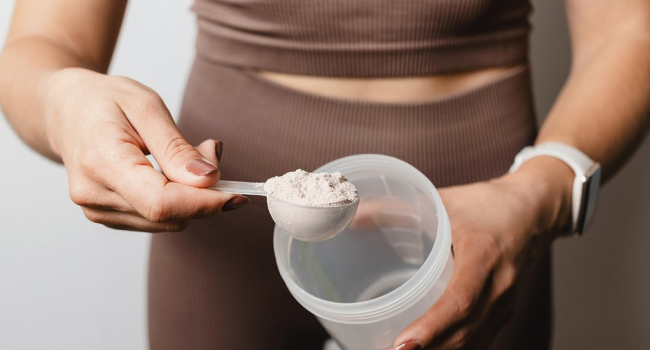
Creatine is one of the most popular sports supplements, traditionally associated with muscle mass gain and increased strength. However, new research suggests that its potential benefits go far beyond fitness and may be particularly significant for women — ranging from supporting muscles and bones to improving cognitive function, sleep, and mood. This was reported by The Conversation.
Creatine is a natural compound that is synthesized in the body from amino acids and is also obtained from food, primarily meat and seafood. It plays a key role in short-term energy supply for cells, especially during intense physical activity. According to studies, regular creatine supplementation can increase workout performance by about 20% by allowing faster recovery between sets.
The body uses around 2–4 grams of creatine daily, but its stores are limited, so it must be replenished continuously. Getting sufficient amounts from food alone is difficult: about 1 kg of raw meat or fish contains only 3–5 grams of creatine, and cooking reduces its concentration. Therefore, supplements remain the most consistent source.
Previously, most creatine studies involved men, but in recent years interest in its effects on women has grown significantly. Scientists note that women, as well as vegetarians and vegans, generally have lower dietary creatine intake and consequently lower levels in the body. At the same time, women’s muscle creatine stores may be slightly higher, which could influence the speed and nature of their response to supplementation.
The most studied form is creatine monohydrate. Taking 3–5 grams per day gradually increases muscle creatine levels over 2–4 weeks. Faster results can be achieved through a so-called loading phase — about 20 grams per day for one week, followed by a maintenance dose.
Importantly, creatine does not lead to fat gain and does not make the body “too muscular,” a concern many women have. However, experts emphasize that creatine is not a universal solution, and further research focused specifically on women is needed to confirm all its effects.
Nevertheless, current evidence already suggests that moderate creatine intake combined with an active lifestyle and strength training may be an accessible and affordable way to support women’s health at different stages of life.
If you’d like, I can also adapt the translation to a more journalistic style or make it shorter for news publication.