make preferable
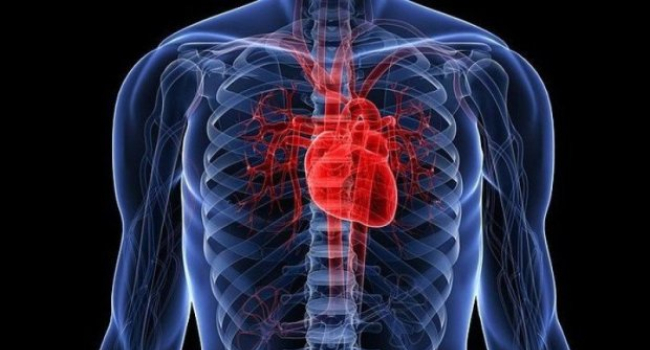
New data collected by researchers at Uppsala University show that the number of cardiomyopathy diagnoses in Sweden has risen significantly over the past two decades.
The findings were published in the Journal of the American College of Cardiology.
Cardiomyopathies are serious diseases of the heart muscle that can lead to heart failure, arrhythmias, and sudden cardiac death. Until now, there has been a lack of large-scale data on how common these conditions are and how they affect mortality across different age groups, making this study one of the first comprehensive nationwide assessments.
The researchers analyzed Sweden’s national medical registries covering the period from 2004 to 2023 and identified around 57,000 patients diagnosed with cardiomyopathy. Over this time, the rate of diagnosis more than doubled, particularly for the two main types — dilated cardiomyopathy, in which the heart enlarges and weakens, and hypertrophic cardiomyopathy, where the heart muscle thickens and becomes stiffer. Among women, diagnoses of rarer forms also increased noticeably, including takotsubo cardiomyopathy, a stress-induced condition sometimes referred to as “broken heart syndrome.”
The scientists emphasize that it is still unclear whether the rise in diagnoses reflects a true increase in disease prevalence or improvements in detection and greater awareness among doctors and patients. Most likely, both factors play a role, as advances in cardiac imaging and updated clinical protocols have made it easier to identify atypical and early-stage cases.
At the same time, cardiomyopathy was associated with substantially higher mortality in all age groups compared with the general population. The effect was particularly pronounced among younger patients: young women with cardiomyopathy had about a 32-fold higher risk of death than their peers without the condition, while young men had roughly a 16-fold higher risk. Although the gap in mortality narrowed with age, older patients with cardiomyopathy still faced about twice the mortality rate of the general population.
The authors conclude that these findings highlight the need for better understanding of the mechanisms behind cardiomyopathies, earlier diagnosis, and the development of more targeted treatments.