
 make preferable
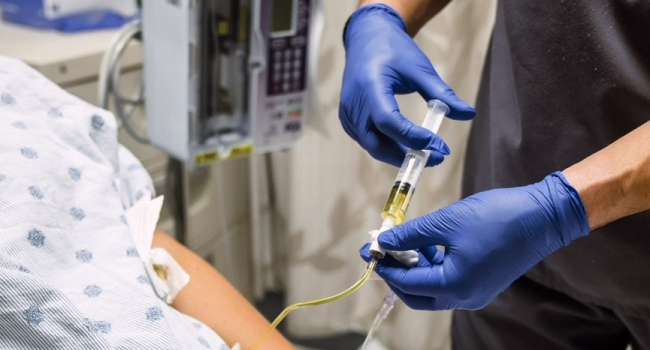
Administering cancer immunotherapy in the first half of the day nearly doubles the life expectancy of patients with non-small cell lung cancer. This conclusion was reached by scientists from Paris-Saclay University. The study results were published in the journal Nature Medicine (NatMed).
The study involved 210 patients who received a combination of immunotherapy and chemotherapy. Participants were given immune checkpoint inhibitors — pembrolizumab or sintilimab — drugs that “release the brakes” on the immune system, allowing T cells to attack tumors. Half of the patients received immunotherapy before 3:00 p.m., while the others were treated later in the day. This schedule was maintained during the first four treatment cycles, which are considered crucial for long-term survival.
Patients were followed for an average of 29 months. The difference in outcomes was significant: early treatment provided nearly a twofold survival benefit. According to the authors, the effect is comparable to — or even greater than — the impact of new anticancer drugs that are typically regarded as breakthroughs.
The researchers attribute the results to circadian rhythms — the body’s daily biological cycles. In the morning, a greater number of T cells are concentrated near the tumor, while later in the day they move into the bloodstream. Therefore, administering immunotherapy earlier increases the likelihood that activated immune cells will be near the tumor and destroy it more effectively.
The authors emphasize that changing the timing of treatment does not require new drugs or technologies and could become a simple way to enhance therapeutic effectiveness. In future studies, they plan to determine whether there is an optimal treatment “window” during the day, but even the current data suggest that taking patients’ biological clocks into account can significantly improve cancer outcomes.





