make preferable
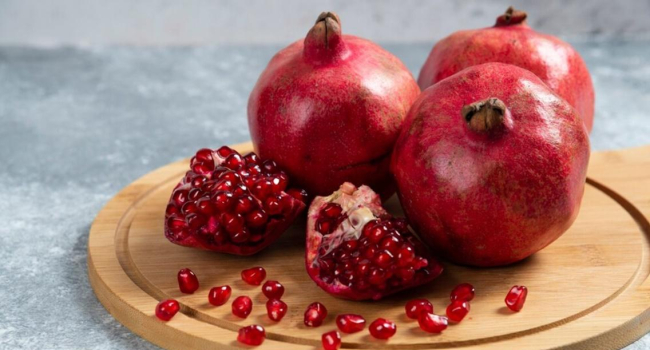
Punicalagin found in pomegranates may reduce the formation of substances associated with an increased risk of cardiovascular and metabolic diseases. This conclusion was reached by scientists from the Quadram Institute for Nutrition and Health (UK). The results of the study were published in the journal Food & Function (F&F).
Punicalagin is a polyphenol compound present in pomegranate juice and peel, as well as in other plants such as roses. It acts as an antioxidant, protecting cells from harmful effects and toxins.
Using a laboratory model of the human gut, researchers showed that punicalagin almost completely blocks the formation of trimethylamine (TMA) from L-carnitine. This process is considered important because in the liver TMA is converted into a molecule previously linked to the development of atherosclerosis, diabetes, and increased mortality.
The scientists compared the effects of various components of pomegranate extract, including other polyphenols, their metabolic byproducts, and auxiliary substances. They found that a strong inhibitory effect on the microbial conversion of L-carnitine into TMA was observed only with punicalagin. The pomegranate extract itself also completely blocked this process, likely due to acidification of the environment, which is unfavorable for the gut bacteria involved in TMA production.
The authors emphasize that this was an experimental model rather than direct evidence of effects in humans. Nevertheless, the findings point to punicalagin as a promising natural compound that may in the future be used in dietary or preventive strategies to reduce the risks of heart and metabolic diseases.