make preferable
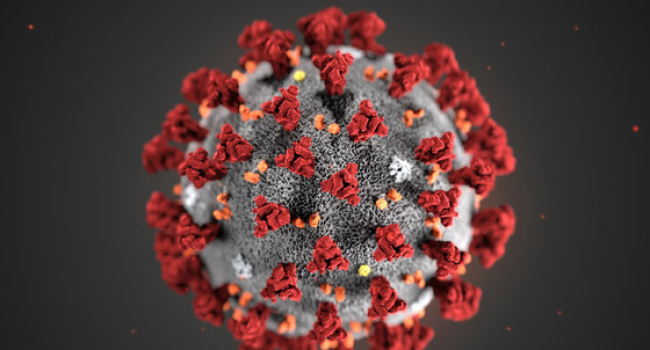
“Zombie fragments” that remain in the body after the coronavirus breaks down may not only sustain chronic inflammation in long COVID but also directly destroy cells of the human immune system. This conclusion was reached by an international team of scientists. The results of the study were published in the journal PNAS (Proceedings of the National Academy of Sciences).
The authors showed that after the SARS-CoV-2 virus disintegrates, protein debris persists in the body and continues to actively interact with cells. These fragments do not act alone but in clusters, selectively attacking immune cells with a characteristic “branched” membrane shape.
The primary targets are dendritic cells, which recognize viruses and initiate the immune response, as well as CD4+ and CD8+ T cells responsible for destroying infected cells. Depletion of these T cells has previously been linked to severe disease and long-term consequences of COVID-19, but the mechanism behind this process had remained unclear.
According to bioengineer Gerard Wong of the University of California, Los Angeles, even after the active virus disappears, its remnants continue to harm the body. This may explain why symptoms of long COVID persist for months and are particularly severe in people with weakened or dysregulated immune systems.
The scientists also identified differences between viral variants. The Omicron strain, for example, breaks down into a larger number of protein fragments, but they have a much weaker effect on immune cells. This may explain why Omicron spread rapidly but more often caused milder disease.