
 make preferable
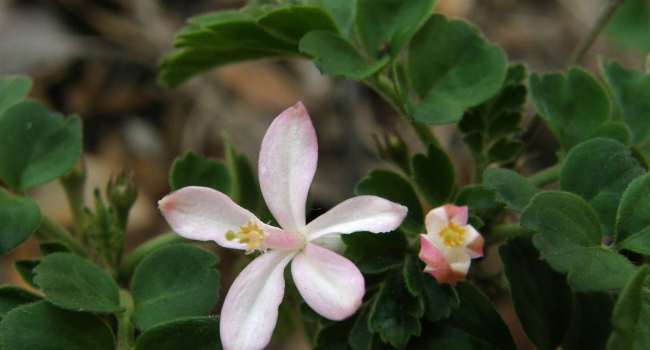
Scientists from Umeå University (Sweden) have discovered a compound in the tropical plant Munronia henryi that is capable of suppressing the growth of one of the most aggressive forms of breast cancer—triple-negative breast cancer. The study results were published in the journal Acta Pharmaceutica Sinica B (APSB).
Triple-negative breast cancer is characterized by rapid growth, early metastasis, and poor responsiveness to existing targeted therapies. For this reason, identifying new vulnerabilities of this subtype remains one of the key challenges in oncology.
During the study, researchers isolated two previously unknown limonoids from Munronia henryi. One of them, named DHL-11, demonstrated pronounced antitumor activity in experiments on triple-negative breast cancer cells.
DHL-11 was found to inhibit cancer cell proliferation and migration, arrest the cell cycle, and trigger programmed cell death. At the same time, the compound increased the accumulation of reactive oxygen species and DNA damage—processes that are particularly detrimental to rapidly dividing tumor cells.
The mechanism of action of DHL-11 is linked to the protein IMPDH2. This protein is involved in the synthesis of guanine, one of the building blocks of DNA, and is often overexpressed in aggressive tumors. The researchers showed that DHL-11 binds to IMPDH2 and disrupts its interaction with another protein required for DNA repair. As a result, IMPDH2 is degraded, guanine synthesis is reduced, and DNA damage accumulates in cancer cells.
The compound effectively suppressed the growth of organoids derived from tumors of patients with high IMPDH2 levels, as well as slowed tumor growth and metastasis in laboratory animals. Importantly, no serious signs of toxicity were observed.
The authors believe that DHL-11 could serve as a basis for the development of new drugs targeting IMPDH2-positive triple-negative breast cancer and expand treatment options for this particularly dangerous tumor subtype.
Follow NEWS.am Medicine on Facebook and Twitter





