make preferable
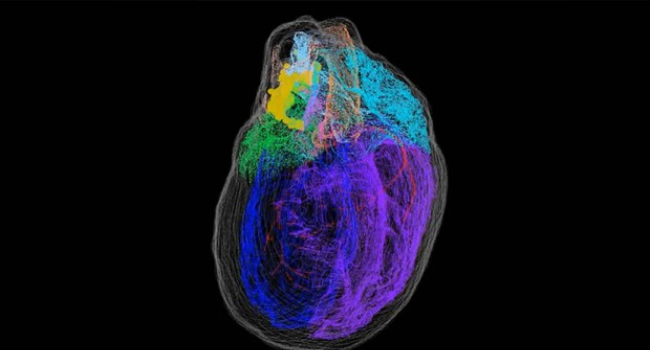
Scientists and engineers have developed a new technology that, for the first time, makes it possible to generate a complete three-dimensional map of the heart’s electrical activity in real time within a single heartbeat.
The system, called Global Volumetric Mapping and described in the journal Communications Medicine, provides physicians with a comprehensive, “global” view of arrhythmias that were previously difficult or impossible to detect using existing tools.
Traditional cardiac mapping systems analyze electrical signals one heart chamber at a time. As a result, clinicians often have to draw conclusions based on fragmented data rather than seeing how electrical waves travel through the entire organ. The new technology developed by Corify Care enables simultaneous mapping of all four heart chambers and allows visualization of electrical activity not only on the surface but also within the walls and septa of the heart.
This advancement is particularly important for treating complex arrhythmias and performing ablation procedures — in which physicians precisely destroy small areas of tissue responsible for abnormal electrical signals. The new approach makes it possible to identify arrhythmia pathways that previously remained “blind spots,” helping make interventions more accurate, faster, and more predictable.
“It’s about visibility and confidence,” explains Andreu Climent, CEO of Corify Care. According to him, a complete picture of cardiac activity allows doctors to make decisions more quickly and with greater certainty, reduce procedure duration and complexity, and improve patient outcomes.
The technology has already received CE marking and is currently under regulatory review in the United States, which could pave the way for its broader clinical adoption. Corify Care is also working to integrate the system with leading catheter navigation platforms, making it even more practical for clinical use.
Overall, the new technology not only improves the diagnosis and treatment of arrhythmias but also opens the door to more precise, faster, and safer cardiac interventions.