make preferable
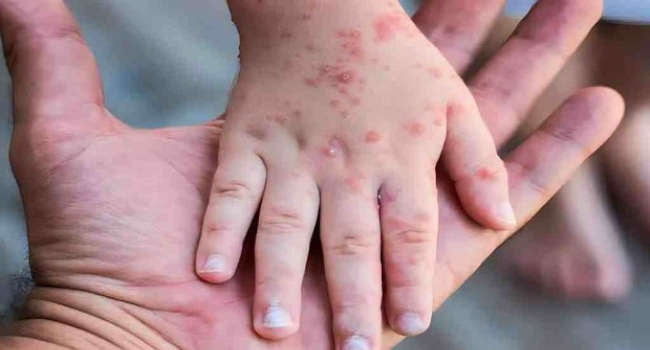
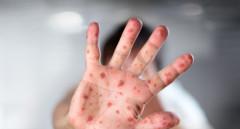
European health authorities warn that measles remains a problem in Europe, despite a decline in 2025, and urge urgent action to overcome vaccine hesitancy.
Often forgotten, measles continues to be a serious threat across the continent, Euronews reports. In the European region of the World Health Organization, the number of cases fell in 2025 compared to the previous year, but experts caution that the risk of outbreaks remains.
In 2024, Europe recorded 127,350 cases of measles—the highest number since 1997.
Although the number of cases decreased in 2025, reported incidence was still twice as high as in 2023, warns the European Centre for Disease Prevention and Control (ECDC).
“Europe must take a leading role in eliminating measles,” said Sabrina Bacchi, head of the ECDC’s vaccine-preventable diseases and immunization program.
She added that Europe has a highly effective and safe vaccine, along with the knowledge, resources, and some of the most reliable surveillance systems to control this preventable disease.
To prevent outbreaks and protect those most vulnerable to measles—such as children too young to be vaccinated or those who cannot receive vaccines for medical reasons—at least 95 percent of the eligible population must receive two doses of the vaccine.
However, according to the ECDC, 8 out of 10 people who contracted measles in 2025 were unvaccinated, reflecting the same trend as in 2024.
“Individual vaccination protects those who cannot be vaccinated by reducing the spread of infections. Vaccination is therefore not only an act of self-protection but also a demonstration of solidarity. Measles can be eliminated if we act together,” Bacchi added.
Measles is one of the most contagious viruses affecting humans: each infected person can spread it to up to 18 unvaccinated individuals, making the virus roughly 12 times more contagious than influenza.
The disease can cause long-term severe health complications, including damage to the immune system: the virus can “erase” immune memory for months or even years, making survivors more susceptible to other illnesses and death, WHO warns.
There is no cure or specific treatment for measles; without complications, the illness usually lasts about two weeks, highlighting the crucial role of vaccination.
“Although case numbers have decreased, the conditions that in recent years have allowed this deadly disease to return still exist and must be addressed,” said Regina De Dominicis, UNICEF Regional Director for Europe and Central Asia.
She stressed the need to combat vaccine distrust and misinformation. Without this, she added, children will continue to risk severe illness or death from measles and other vaccine-preventable diseases.
WHO Regional Director for Europe Hans Kluge on Wednesday urged people to rely only on verified medical information from trusted sources in today’s environment of widespread fake news.
“Eliminating measles is crucial for national and regional health security,” Kluge added.