
 make preferable
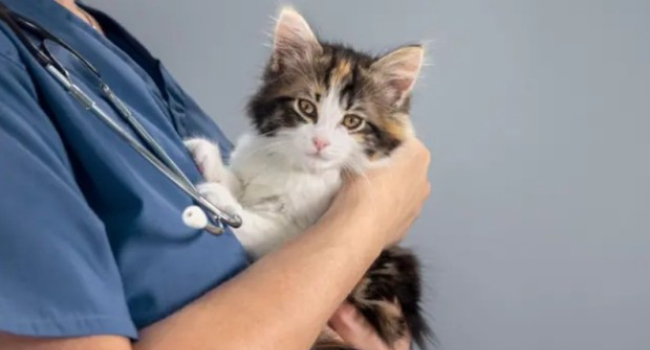
Scientists have analyzed the DNA of tumors from nearly 500 domestic cats and identified key genetic mutations associated with cancer, BBC reports.
Cancer is a leading cause of illness and death in cats, yet little is known about the mechanisms behind its development. “Until now, the genetics of cancer in cats has been a completely unexplored area,” said lead researcher Dr. Louise van der Weijden. “The more we learn about cancer in any species, the more it benefits everyone.”
An international team led by the Wellcome Sanger Institute in Cambridge studied around 1,000 genes linked to 13 types of feline cancer.
They found that many of the genes driving cancer in cats are also present in humans, suggesting that the two species share key biological processes that promote tumor growth and spread.
Researchers say that domestic cats could be crucial for understanding certain types of breast cancer, such as triple-negative breast cancer, which accounts for about 15% of human cases.
This subtype occurs more frequently in cats than in humans, providing scientists with more samples and clues for developing new drugs that could aid treatment.
Nearly a quarter of UK households own at least one cat, making them almost as popular as dogs as loyal companions. While canine cancer research has been conducted extensively, cats have largely remained understudied.
Scientists note that both cats and dogs can provide insights into environmental factors that influence the development of certain cancers. Living in the same environment as humans, they are exposed to the same environmental risks.
“This helps us better understand why cancer develops in both cats and humans, how environmental factors influence disease risk, and potentially identify new ways to prevent and treat it,” said Professor Jeffrey Wood from the Ontario Veterinary College, Canada.





