make preferable
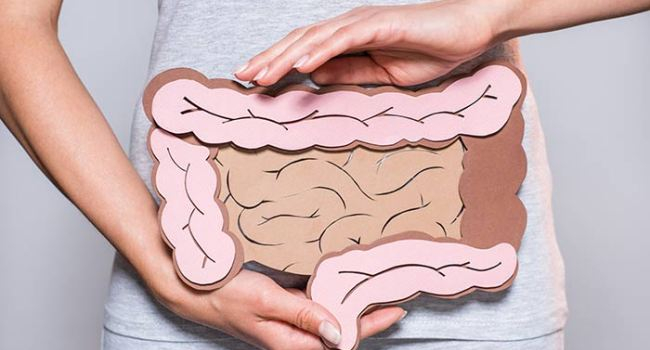
Gastroenterologist Mary Borum shared essential advice on preventing rectal cancer in a recent interview with Women's Health. The doctor emphasizes factors within our control, noting that over 50% of cases are directly linked to lifestyle choices.
Prevention Checklist: What You Can Control
You can significantly reduce the likelihood of developing a tumor by adjusting five key areas:
- Quitting Smoking and Alcohol: These habits are among the primary triggers for oncology.
- Healthy Diet: Your meals should be balanced and rich in fiber.
- Physical Activity: A sedentary lifestyle increases risks.
- Weight Management: Excess body weight puts additional strain on the body's systems.
"Young people often underestimate the impact of these factors. By doing your best to avoid them, you create a powerful barrier against the disease," Dr. Borum emphasizes.
When Should You See a Doctor?
A major reason for late-stage diagnosis is the habit of ignoring "minor" symptoms. The doctor urges patients not to dismiss discomfort as simple indigestion if you notice:
- Persistent changes in bowel habits.
- Abdominal pain or discomfort that does not go away.
- Any atypical discharge or bleeding.
Bottom line: If your condition does not improve quickly, medical screening is necessary. Early detection is the ultimate key to successful treatment.