make preferable
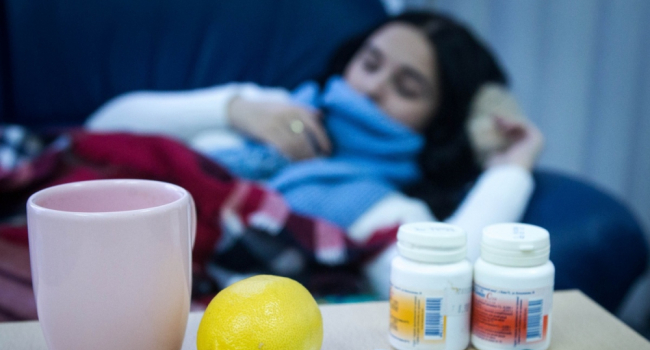
According to a weekly analysis of acute respiratory infection cases hospitalized at the Heratsi No. 1 University Hospital, Muratsan Hospital Complex, and the Mikaelyan Institute of Surgery, the number of hospitalizations due to severe acute respiratory infections (SARI) continues to rise. During the 12th week of 2026 (March 16–22), 90 new cases were recorded, representing a 4% increase compared to the previous week.
The Heratsi Center reports that new SARI cases accounted for 7% of all hospitalizations. Age distribution analysis shows that cases were again concentrated in two groups: children aged 0–4 and 5–14. The majority of cases (60%) occurred in the 0–4 age group, marking a 20% increase compared to the previous week. Among hospitalized children in this group, five were admitted to intensive care units. The 5–14 age group accounted for 40% of cases.
During the same period, four new SARI cases were tested for influenza. No deaths were recorded among hospitalized patients.
According to weekly summary data from the European Centre for Disease Prevention and Control (ECDC), between March 9 and 15, 2026, influenza activity in the region declined below the epidemic threshold, particularly in primary healthcare settings. Activity was observed only in a few countries, with most hospitalized patients aged 65 and older.
The share of circulating influenza A(H1) viruses continues to increase, reaching 43%, while the A(H3) subtype accounts for 57%. At the regional level, the proportion of positive influenza tests decreased to 8%, which is 10% below the epidemic threshold. The average positivity rate across 22 countries was 3%, while at least 10% was reported in nine countries.
Regional activity of SARS-CoV-2 infection remained at the same low level (2%) as in the previous week.
Respiratory syncytial virus (RSV) activity remains high at 10%, with an upward trend observed over the past 2–3 weeks. The disease burden and number of positive cases remain highest among children under five.