make preferable

Scientists have developed a new artificial intelligence (AI) system capable of assessing the potential danger of newly discovered bacteria in advance.
The study describing the invention was published in the journal Bioinformatics.
The tool analyzes genetic data from microorganisms and can predict their pathogenicity—that is, their ability to cause disease—even before bacteria begin to spread among humans or in the environment.
The system was trained on large datasets containing genomes of known bacteria along with information about their characteristics. Using these models, the AI can determine the level of potential threat, possible mechanisms of interaction with human cells, and the risk of antibiotic resistance. This allows healthcare services and researchers to quickly identify the most dangerous strains and focus laboratory resources on studying them.
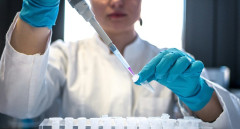
This approach is especially important in the context of rapidly emerging microbial threats and the growing problem of antibiotic resistance. Traditional assessment methods based on laboratory experiments can take weeks or months, whereas the AI system significantly reduces this time. Experts emphasize that the tool does not replace lab research but serves as an effective filter to prioritize the most critical samples.
The development opens new prospects for microbiology and public health. AI is already being used to analyze viruses, predict infectious disease outbreaks, and develop new antibiotics.
Now, it can accelerate the assessment of bacterial threats and help medical services respond more quickly to potentially dangerous microorganisms—an especially crucial advantage in a globalized world where infections spread rapidly.