make preferable
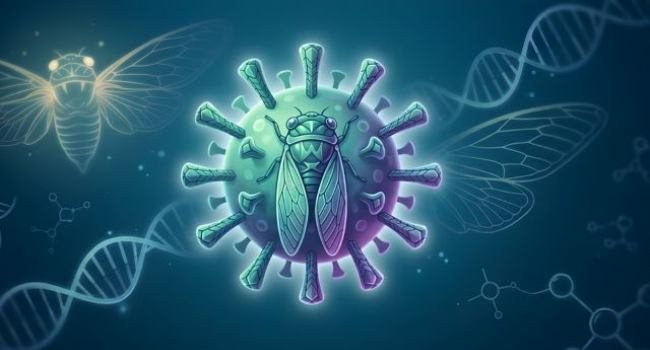
Health officials in the U.S. and around the world are paying closer attention to a relatively new COVID-19 variant known as BA.3.2, or “Cicada,” which appears to have spread quietly before gaining notice.
At the same time, flu cases are declining but still present, while seasonal allergies are intensifying with spring pollen — making it harder to distinguish between illnesses due to overlapping symptoms.
According to the CDC, BA.3.2 has shown a gradual increase in the United States, although it still represents a small share of total infections. Globally, it has been reported in more than 20 countries and, in some regions, accounts for up to 30% of cases.
The World Health Organization has also placed this highly mutated variant on its monitoring list due to its genetic characteristics and ongoing spread.
What is the “Cicada” variant?
BA.3.2 is a significantly mutated strain of SARS-CoV-2, carrying around 70–75 mutations that distinguish it from earlier dominant variants such as JN.1.
It was first identified worldwide in South Africa in November 2024. In the U.S., it was initially detected in a traveler in mid-2025 and later identified in domestic cases in early 2026.
The nickname “Cicada” reflects its pattern of remaining largely undetected for a period before reappearing.
Surveillance data has since detected the variant in wastewater samples and traveler screenings across multiple U.S. states.
Has it been detected locally?
There is limited data in some regions. In certain areas, monitoring systems are sparse, and reporting may be incomplete.
Available data suggests that while COVID-19 cases have generally been declining, some locations still show moderate to high viral activity in wastewater samples.
Where is BA.3.2 spreading?
The variant has been detected in at least 23 countries and multiple U.S. states. However, it remains a minority strain compared to other circulating variants.
Recent surveillance indicates that BA.3.2 accounts for only a small percentage of detected cases, while other variants continue to dominate.
Should we be concerned?
Experts say it is still too early to determine whether BA.3.2 is more contagious or severe than previous variants. So far, there is no clear evidence of increased severity.
However, its large number of mutations raises concerns about potential immune escape, meaning it could partially bypass protection from vaccines or prior infections.
Some specialists suggest it could contribute to a future rise in cases, but this is not yet confirmed.
Symptoms of the “Cicada” variant
Symptoms appear similar to other COVID-19 variants and may include:
* runny or congested nose
* headache
* fatigue
* sneezing
* sore throat
* cough
* changes in taste or smell
Some recent variants have also been linked to intense throat pain, sometimes described as a “razor blade” sensation.
What to do if you test positive
If you test positive or suspect COVID-19, health authorities recommend:
* staying at home and isolating from others
* improving ventilation indoors
* wearing a high-quality mask when around people
* keeping vaccinations and boosters up to date
* monitoring symptoms and contacting a healthcare provider
* resting and using over-the-counter medications as needed
* maintaining hygiene, including frequent handwashing and cleaning surfaces
Do vaccines still protect?
Although the mutations in BA.3.2 may reduce the ability of vaccines to prevent infection, they are still expected to provide protection against severe illness and death.
Vaccination remains an important tool, especially as updated vaccine formulations continue to be developed.