make preferable
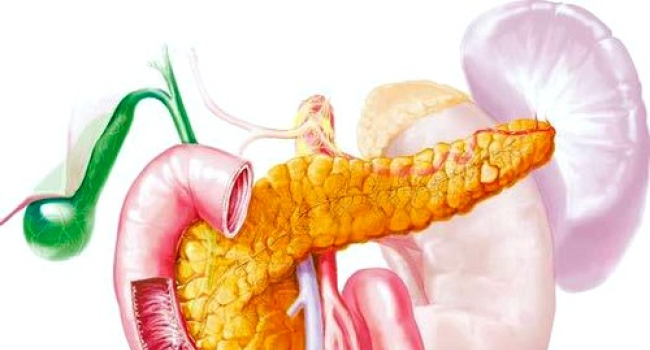
A new study presented at the European Congress on Obesity has shown that hidden fat accumulation in the pancreas of children and adolescents may be an important early marker of serious metabolic risks, reports News Medical Life Sciences.
The work was carried out by scientists from Denmark and is among the first to examine in detail the role of the so-called “fatty pancreas” at a young age.
The study involved 283 children and adolescents aged 7 to 19 with obesity. Researchers used a modern and safe method—magnetic resonance spectroscopy—to accurately measure fat content in the pancreas, liver, and abdominal cavity.
The results revealed a clear and concerning relationship:
the higher the level of fat in the pancreas, the worse the indicators of metabolic health.
In particular, increased fat content was associated with:
-
higher body mass index (BMI)
-
larger waist circumference
-
elevated diastolic blood pressure
-
greater amounts of visceral (internal) fat
-
signs of insulin resistance (including C-peptide levels)
All of these are key risk factors for the future development of cardiovascular disease and type 2 diabetes.
Interestingly, not all indicators were linked to pancreatic fat. For example, the study found no significant correlation with cholesterol levels, fasting glucose, or systolic blood pressure.
This suggests that a “fatty pancreas” may be a separate and independent risk marker that is not always visible through standard tests.
The authors emphasize that fat infiltration of organs is not merely a consequence of obesity, but potentially an active factor influencing metabolism.
Early diagnosis is particularly important. According to the researchers, measuring pancreatic fat may help identify children who require more intensive treatment and monitoring.
If you want, I can also simplify this into a short news brief or headline-style summary.