make preferable
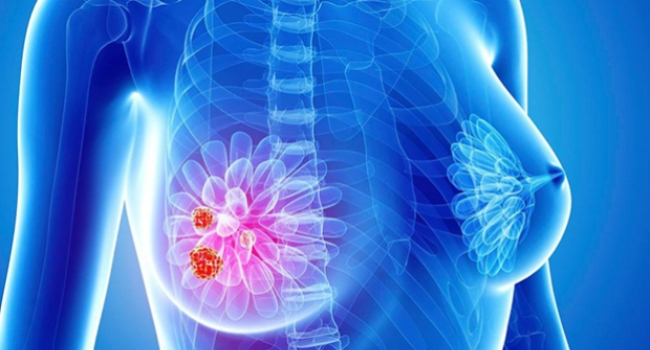
A study by scientists from the University of California, San Diego may help improve breast cancer treatment, as a mechanism has been identified by which the body prevents tumor spread. Researchers discovered a new role for the inflammatory protein TYK2 in mechanotransduction—the process by which cells sense physical forces and respond to them. Understanding mechanotransduction could clarify how cancer spreads and open up new treatment possibilities.
In addition, since drugs that inhibit TYK2 are being studied as treatments for autoimmune diseases, the findings highlight the need to investigate how these drugs may affect breast cancer development.
The researchers found that:
-
TYK2 plays a key role in suppressing breast cancer metastasis in response to increased stiffness of the extracellular matrix—the material surrounding and connecting cells.
-
At low stiffness, TYK2 is located at the cell membrane and prevents cancer cell invasion. At high stiffness, TYK2 becomes inactivated and disperses throughout the cell, allowing cancer cells to invade other tissues.
-
In mice, inhibition of TYK2 with drugs promoted invasion and metastasis of breast cancer.
Understanding how TYK2 suppresses metastasis may pave the way for new breast cancer treatments. The results also suggest that in patients with certain types of non-invasive breast cancer, taking TYK2 inhibitors may increase the risk of developing invasive disease. This underscores the need for more careful breast cancer screening in patients receiving TYK2 inhibitors.
“The study shows how extracellular matrix stiffness regulates breast cancer metastasis through TYK2 and provides new insight into how physical factors in the tumor microenvironment influence cancer progression,” said Zhimin Hu, a researcher at the Moores Cancer Center at the University of California, San Diego.
“These findings are highly significant for the clinical use of TYK2 inhibitors and highlight the importance of considering the mechanical microenvironment in cancer treatment,” said Jing Yang, the study’s author and professor of pharmacology at the UC San Diego School of Medicine.