
 make preferable
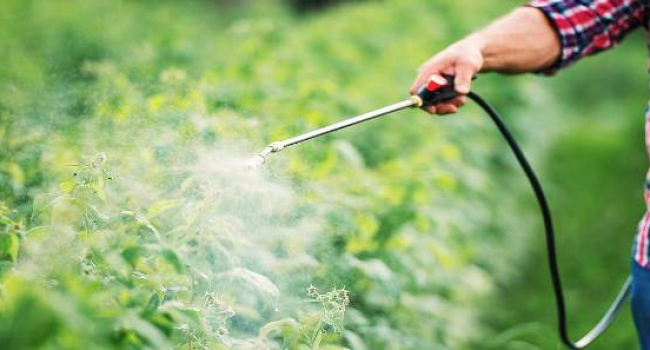
Pesticides, which are widely present in food, water, and the environment, may be linked to an increased risk of cancer—particularly among socially vulnerable populations—according to a new study.
The research, published in the journal Nature Health, identified a clear connection between exposure to agricultural pesticides and cancer risk. The findings are based on an analysis of environmental data, cancer registries, and biological samples in Peru.
“For the first time, we were able to link pesticide exposure at a national level with biological changes that indicate an increased cancer risk,” explained Stéphane Bertani, a molecular biology researcher at the French National Research Institute for Sustainable Development (IRD).
The authors note that the carcinogenic effects of pesticides under real-world conditions remain insufficiently studied. This makes it difficult to accurately assess risks and delays the implementation of effective public health measures, Euronews reports.
To address this gap, researchers identified regions in Peru where people are more frequently exposed to pesticides and also show higher rates of certain cancers. They found that cancer risk in these areas was 150% higher.
The study was conducted in collaboration with the French National Research Institute for Development in Peru, the Pasteur Institute, the University of Toulouse, and Peru’s National Institute of Neoplastic Diseases.
The team modeled the dispersion of pesticides in the environment over a six-year period, from 2014 to 2019, creating a highly detailed map of areas with the highest exposure risk, said Jorge Jonles, an epidemiologist at the University of Toulouse.
Moderate- and high-risk zones covered more than one-third of the country. Pollution was found to spread 30–50 kilometers beyond agricultural areas due to long-distance transport.
Researchers applied the model nationwide, including agricultural chemicals that the World Health Organization (WHO) does not currently classify as confirmed human carcinogens, as well as models tracking their environmental spread.
By comparing pesticide-use maps with cancer registries, the authors analyzed data from more than 150,000 patients diagnosed with cancer between 2007 and 2020.
The highest exposure risks were recorded in highland and Andean foothill regions, especially in areas with low rainfall, which promotes pesticide accumulation.
Molecular analysis showed that pesticides disrupt processes that maintain normal cell function and identity. These changes can occur even before cancer develops, pointing to early, cumulative, and hidden effects that make tissues more vulnerable to other risk factors such as infections, inflammation, or environmental exposures.





