make preferable
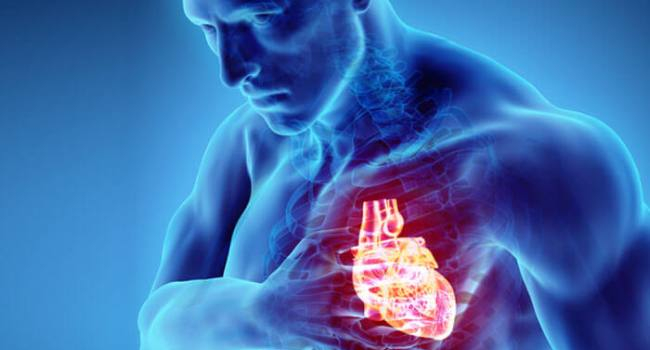
Researchers at University of Oxford have created an artificial intelligence tool capable of identifying a person’s risk of developing heart failure up to five years in advance.
Heart failure affects more than 60 million people globally and occurs when the heart cannot pump blood efficiently. Detecting the condition early could significantly improve outcomes by allowing doctors to intervene sooner or even prevent it.
The new system analyzes subtle changes in fat tissue surrounding the heart, detecting inflammation and damage that are invisible to the human eye. Until now, routine cardiac CT scans have not been able to reliably predict future heart failure risk.
Using this tool, physicians receive a personalized risk score for each patient, helping guide decisions about monitoring and treatment intensity.
In the study, patients in the highest-risk category were 20 times more likely to develop heart failure than those at lowest risk, with roughly a 25% chance of developing the condition within five years.
The AI model was trained and tested on data from 72,000 patients across nine NHS centers in England, with follow-up spanning a decade. It achieved an accuracy rate of 86% in predicting five-year risk. The findings were published in the Journal of the American College of Cardiology.
The research was led by Charalambos Antoniades, who said the technology represents a major step forward in heart failure prevention and treatment. The team is now working to expand its use to all chest CT scans, regardless of their original purpose.
Scientists aim to secure regulatory approval and integrate the tool into healthcare systems such as the National Health Service.
According to Sonya Babu-Narayan from the British Heart Foundation, heart failure is often diagnosed too late, when damage is already severe. She noted that earlier detection could significantly improve patients’ chances of living longer and healthier lives.
Experts emphasize that maintaining heart health includes a balanced diet, regular physical activity, healthy weight, quitting smoking, limiting alcohol intake, and controlling blood pressure.