
 make preferable
A new Perspective published in the first issue of Brain Health argues that microplastics have moved beyond being just an environmental issue and now pose a serious threat to brain health. The article, released by Genomic Press, brings together findings from several previously separate areas of research.
Evidence from human tissue studies shows that microplastics accumulate in the brain at levels far higher than in other organs. Researchers from University of New Mexico found that brain samples contained up to 30 times more microplastics than liver or kidney tissue, with levels increasing significantly over recent years. The highest concentrations were observed in individuals diagnosed with dementia.
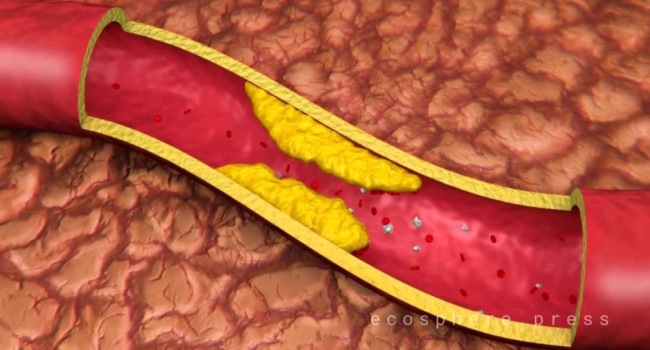
Cardiovascular data adds further concern. In patients undergoing carotid artery surgery, scientists detected microplastics embedded in arterial plaque. Those with such particles in their plaques had about a fourfold higher risk of heart attack, stroke, or death during follow-up. Because stroke directly affects the brain, the findings link cardiovascular and neurological risks.
Animal studies help explain how these particles reach the brain. Experiments show that nanoscale plastic particles can cross the blood–brain barrier within hours, while larger particles cannot. This suggests that size plays a critical role in how microplastics spread داخل the body.
Researchers also highlight ultra-processed foods as a major source of exposure. These foods, widely consumed in countries like the United States, can introduce microplastics through packaging, industrial processing, and storage. High consumption of such foods has already been associated with increased risks of depression, cognitive decline, stroke, and dementia.
As for possible solutions, scientists are exploring medical techniques such as therapeutic apheresis, a procedure already used in hospitals, which may help remove microplastic-like particles from the bloodstream. However, experts caution that better measurement tools are still needed to confirm how effective such interventions are.
The authors emphasize that reducing exposure—especially by limiting ultra-processed foods—is currently the most practical strategy. Meanwhile, large-scale initiatives like ARPA-H’s STOMP program aim to improve detection, understand health impacts, and develop removal methods.





