make preferable
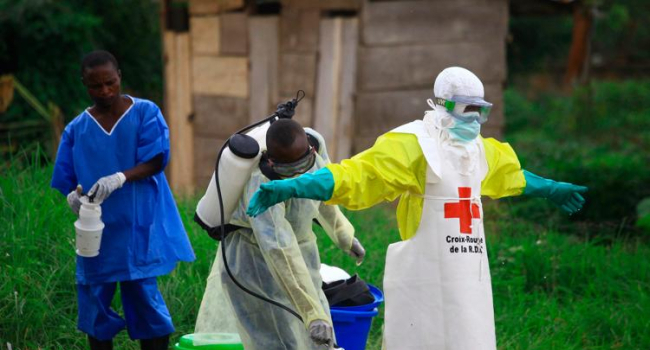
The World Health Organization has declared the Ebola outbreak in the eastern Ituri province of the Democratic Republic of the Congo a public health emergency of international concern, according to BBC News.
The agency added that the outbreak, which has recorded around 246 suspected cases and 80 deaths, does not meet the criteria for a full-scale pandemic emergency. WHO Director-General Tedros Adhanom Ghebreyesus warned that there is currently “significant uncertainty regarding the true number of infections and the geographic spread” of the outbreak.
According to the health agency, the current strain of Ebola fever is caused by the Bundibugyo virus, for which there are no approved medicines or vaccines.
WHO reported that eight laboratory-confirmed infections have so far been identified, along with other suspected cases and deaths across three health zones, including Bunia, the capital of Ituri province, and the gold-mining towns of Mongbwalu and Rwampara. The global health agency also stated that the virus has spread beyond DR Congo, with two confirmed cases reported in neighboring Uganda. Ugandan officials said that a 59-year-old man who died on Thursday had tested positive for the virus. Countries bordering DR Congo are considered at high risk of further spread due to population mobility, trade, and travel.
WHO recommended that DR Congo and Uganda establish emergency response centers to monitor, track, and implement infection prevention measures. To minimize transmission, the health agency said confirmed cases should be immediately isolated and treated until two Bundibugyo virus tests conducted at least 48 hours apart return negative results.
In countries bordering affected regions, governments should strengthen surveillance and health reporting systems. WHO also stressed that countries outside the affected region should not close their borders or restrict travel and trade, stating that “such measures are usually driven by fear and have no scientific basis.”