make preferable
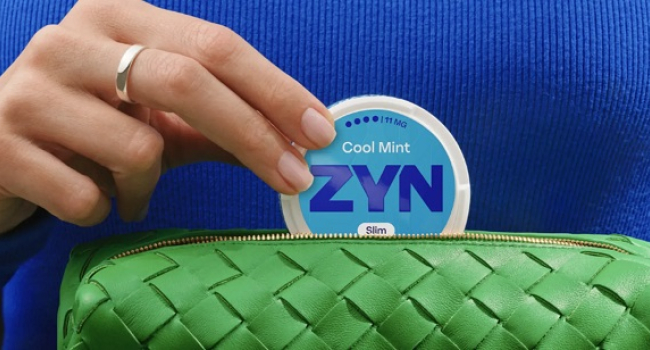
The World Health Organization has warned about the rapid spread of nicotine pouches — small packets containing nicotine that are placed between the lip and gum — according to a WHO statement.
According to the organization, these products are being aggressively marketed to teenagers and young people, while in most countries their sale remains largely unregulated.
WHO’s first global report on the issue shows that worldwide sales of nicotine pouches exceeded 23 billion units in 2024, increasing by more than 50% in a single year. In 2025, the global market for these products was estimated at nearly $7 billion.
Nicotine pouches contain nicotine, flavorings, sweeteners, and other additives. Although they do not contain tobacco, WHO stresses that nicotine itself is highly addictive and especially dangerous for children, adolescents, and young adults because their brains are still developing. Exposure to nicotine during adolescence can impair attention and learning ability, increase the risk of cardiovascular disease, and raise the likelihood of long-term addiction as well as later use of other nicotine and tobacco products.
According to WHO, around 160 countries still have no specific regulations governing the sale of nicotine pouches. Sales are completely banned in 16 countries, while 32 others have introduced various restrictions. Of these, five countries restrict flavor additives, 26 prohibit sales to minors, and 21 have imposed bans on advertising, promotion, and sponsorship.
WHO notes that manufacturers are using marketing methods specifically designed to appeal to young people. These include bright flavors such as bubble gum and gummy candy, stylish and discreet packaging, advertising through influencers and social media, and sponsorship of concerts, festivals, and sporting events, including Formula One racing. Some packaging even imitates sweets, increasing the risk of accidental consumption by small children.
Particular concern has been raised over the high concentration of nicotine. Some products are sold with labels such as “beginner,” “advanced,” and “expert,” while the nicotine content in certain pouches reaches as much as 150 milligrams.
WHO has urged governments to urgently introduce strict control measures. Recommended steps include banning or heavily restricting flavorings, imposing a complete ban on advertising and promotion, enforcing strict age verification, placing health warnings on packaging, limiting the maximum nicotine content, increasing taxes, and continuously monitoring the market.
The organization emphasizes that nicotine pouches should not be considered a safe alternative and warns that without timely regulation, the world could face a new wave of nicotine addiction among young people.