make preferable
Health authorities in Australia are raising alarm as a growing diphtheria outbreak spreads across several states and territories, with the Northern Territory recording its first diphtheria-related death in nearly a decade.
The outbreak, described as the country’s worst in years, has expanded beyond the Northern Territory into Western Australia, Queensland and South Australia.
According to the National Notifiable Disease Surveillance System, the Northern Territory has reported 133 cases since the outbreak began. Western Australia has recorded 79 cases, while South Australia and Queensland have reported six and five cases respectively.
Australia recently confirmed its first diphtheria-related death in almost ten years.
Australian Health Minister Mark Butler said the situation was “serious”, particularly in the Northern Territory, where the disease continues to spread across remote regions and Indigenous communities.
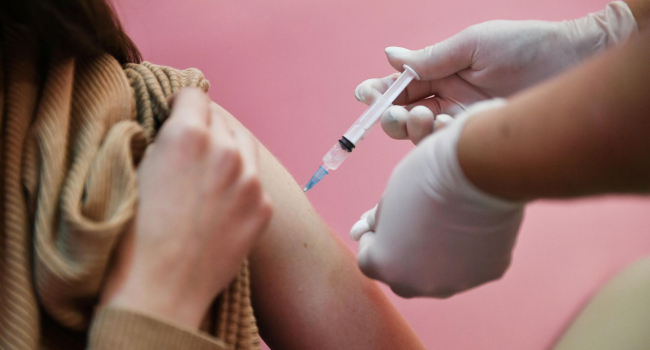
Federal health authorities are working closely with the Northern Territory government and Aboriginal-controlled health organisations to increase vaccination and booster uptake.
Butler said medical teams in Alice Springs were deeply concerned about the outbreak and were intensifying efforts to improve vaccination coverage.
“You probably need a booster every five years as an adult,” he said.
Diphtheria is a bacterial infection that affects the nose and throat and can cause breathing difficulties, fever, swollen glands and a thick grey membrane in the throat. A skin form of the disease can also cause painful sores and swelling.
Although treatment is available, people who are not up to date with vaccinations and booster shots face a higher risk of severe complications, including heart damage, nerve damage and death.
Central Australian Aboriginal Congress chief medical officer John Boffa said authorities were still seeing between 15 and 20 new cases each week, although numbers were beginning to decline as testing and vaccination efforts increased.
He warned that everyone remains at risk without booster vaccinations.
“Wherever you are, there’s a risk, and you’ve got to get boosted,” Dr Boffa said.
He also urged anyone with a sore throat or skin lesions to seek medical attention and get tested immediately.