make preferable
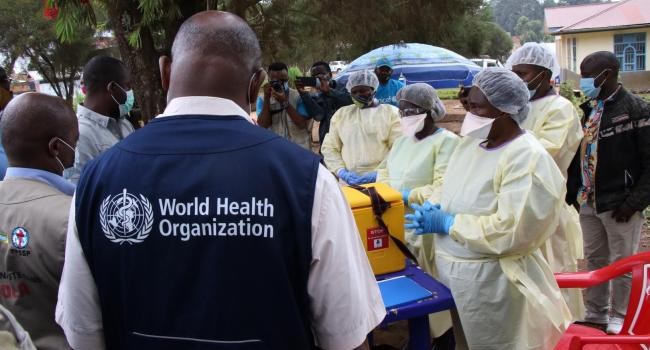
The World Health Organization (WHO) has reported 321 confirmed cases of Ebola caused by the Bundibugyo strain in the Democratic Republic of the Congo (DRC), along with 116 suspected cases that are still under investigation.
According to WHO spokesperson Christian Lindmeier, the outbreak has resulted in 41 deaths, while six patients have recovered. Neighboring Uganda has also recorded nine confirmed cases linked to the outbreak, including one death.
The Bundibugyo strain outbreak was officially announced by the Africa Centres for Disease Control and Prevention on May 15. It marks the 17th Ebola outbreak in the DRC. In response to the growing public health threat, the World Health Organization quickly designated the outbreak a Public Health Emergency of International Concern.
Health authorities and international partners continue to intensify surveillance, case detection, treatment efforts, and contact tracing in an effort to contain the spread of the virus.
The Bundibugyo strain is one of several known Ebola virus species and has previously caused outbreaks in Central and East Africa. While less common than the Zaire strain, it remains capable of causing severe disease and death, making rapid containment measures essential.