make preferable
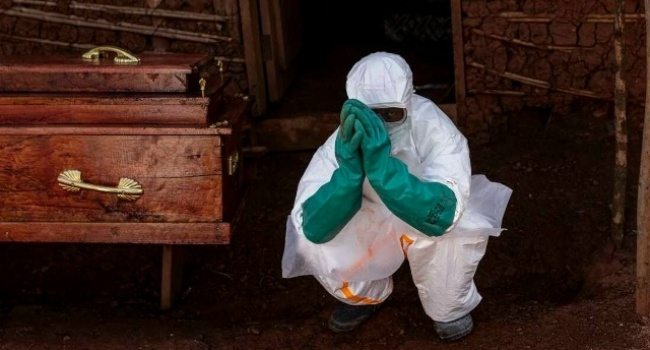
Health officials in the Democratic Republic of the Congo (DRC) have reported a significant increase in Ebola infections, with confirmed cases climbing to 550 and the death toll reaching 101 as the outbreak continues to affect the country's eastern provinces.
According to the latest epidemiological update released on Monday, authorities recorded 35 new confirmed cases and 10 additional deaths on Sunday in the provinces of Ituri and North Kivu. During the same period, seven patients recovered, bringing the total number of recoveries to 19.
Although recent data suggest a slight slowdown in reported infections, health authorities warned that the outbreak is still expanding. Experts believe the apparent decline may be the result of delays in laboratory testing and reporting rather than a genuine reduction in virus transmission.
As of Sunday, 309 people were either hospitalized or being treated in isolation facilities, including 116 confirmed Ebola patients and 193 suspected cases awaiting laboratory confirmation.
Contact-tracing efforts have been intensified, with officials monitoring 5,418 individuals who may have been exposed to the virus. However, only 3,489 contacts have been successfully followed up, resulting in a monitoring rate of 64.4%, far below the recommended 95% threshold required for effective outbreak control.
Health authorities also reported growing strain on laboratory services, especially in North Kivu, where shortages of testing materials have created a backlog of 183 samples awaiting analysis. The delays have raised concerns about the timely detection and isolation of new infections.
The outbreak was officially declared by the DRC Ministry of Health on May 15 and is caused by the Bundibugyo strain of the Ebola virus. While less common than the Zaire strain responsible for several major outbreaks in Central Africa, the Bundibugyo variant remains highly dangerous and can lead to severe illness and death.
The affected provinces—Ituri, North Kivu, and South Kivu—are home to nearly 15 million people and face ongoing humanitarian challenges, including large-scale displacement and frequent cross-border movement. Public health experts warn that these conditions may complicate containment efforts and increase the risk of further spread.
Ebola is a severe viral disease that affects both humans and non-human primates. First identified in 1976 during simultaneous outbreaks in what are now the Democratic Republic of the Congo and South Sudan, the virus can cause high fever, hemorrhagic symptoms, organ failure, and death if left untreated.
Supported by international health organizations, Congolese authorities continue surveillance, treatment, and contact-tracing operations in an effort to contain the outbreak and prevent wider regional transmission.