make preferable
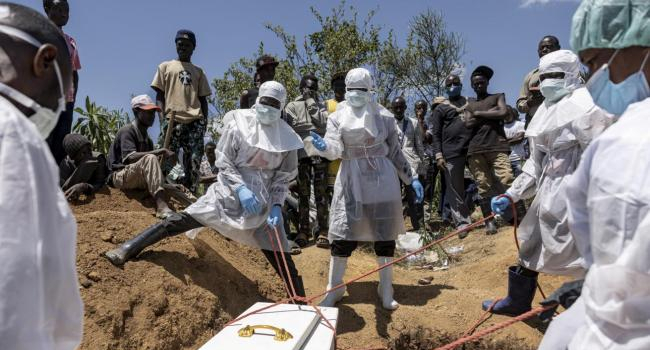
U.S. health authorities on Friday elevated their response to the Ebola outbreak in the Democratic Republic of the Congo (DRC) to the highest, Level 1, and announced the deployment of experimental treatments to the affected region, AFP reports.
The U.S. Centers for Disease Control and Prevention (CDC) emphasized that the decision is primarily an internal operational measure and does not indicate an increased threat to the United States.
“Our assessment is that the risk to the United States remains low,” said Satish Pillai, who leads the CDC's Ebola response program.
He explained that Level 1 is the agency's highest internal activation status, allowing it to rapidly mobilize personnel and resources.
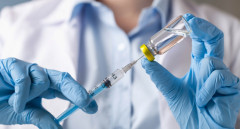
The CDC also confirmed that doses of the experimental antibody treatment MBP134 have been shipped to the Democratic Republic of the Congo and Uganda, while additional doses have been provided to the University of Oxford for clinical research. In addition, the United States is sending 2,500 diagnostic tests to help identify Ebola virus strains in deceased patients.
According to the latest figures, the outbreak, officially declared just over a month ago, has resulted in 304 deaths among 1,115 confirmed cases in the DRC. The virus has also spread to neighboring Uganda, where 20 cases and two deaths have been reported.
U.S. experts warn that unless the outbreak is effectively contained, it could approach the scale of the 2014–2016 West African Ebola epidemic, which claimed more than 11,000 lives, according to the World Health Organization.
The current outbreak is caused by the Bundibugyo strain of the Ebola virus, for which there are currently no approved vaccines or specific treatments, underscoring the importance of experimental therapies and emergency response measures.