make preferable
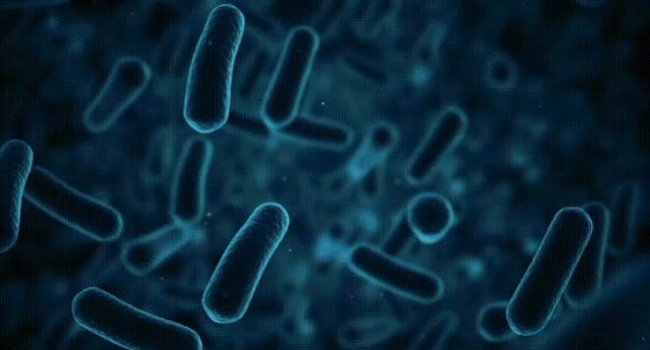
Scientists have finally revealed how one of the most dangerous hospital infections became nearly invincible to drugs, EurekAlert reports.
One of the most dangerous bacteria of modern times did not appear overnight. It spent decades quietly evolving in hospital wards, gradually accumulating changes that made it resistant to most antibiotics. This is the conclusion reached by an international team of researchers after analyzing the genetic history of the bacterium Acinetobacter baumannii. The results of the study, published in the journal Microbial Genomics, offer a new perspective on the problem of antibiotic resistance, which is currently considered one of the primary threats to global healthcare.
A dangerous hospital resident
Acinetobacter baumannii is well known to doctors. This bacterium spreads particularly actively in medical facilities and poses a serious danger to patients with weakened immune systems, severe trauma, post-operative complications, or those requiring prolonged stays in intensive care units (ICUs). The infections it causes—pneumonia, bloodstream infections, wound infections, and urinary tract infections—are often extremely difficult to treat precisely due to antibiotic resistance. However, until now, scientists did not understand how this microorganism managed to turn into one of the most dangerous nosocomial (hospital-acquired) pathogens.
A study spanning nearly half a century
A team of scientists from the UK, Canada, and Mexico gathered a unique collection of 226 bacterial samples obtained between the 1970s and the early 2000s. Using modern DNA sequencing technologies, the researchers decoded their genomes and then compared the results with more than a thousand modern samples collected across six continents. In doing so, scientists were able to literally reconstruct the bacterium's "family tree" and trace how it changed over several decades.
Not a sudden mutation, but slow evolution
The main conclusion of the study is that the superbug did not emerge as a result of a single, sharp genetic leap. According to the study's lead author, Dr. Benjamin Evans from the University of East Anglia’s Medical School, the bacterium evolved in "waves." Each new wave acquired small genetic changes, making the microorganism increasingly better adapted to surviving in environments where antibiotics are used. Over time, these changes accumulated, and the balance ultimately shifted in favor of the bacterium. The researchers note that by around 2005, this specific lineage of Acinetobacter baumannii had become dominant worldwide.
The gene that changed everything
One of the key moments in its evolution was the bacterium's acquisition of two large genetic elements, including the oxa23 gene. This gene provides resistance to powerful antibiotics from the carbapenem group—drugs that are often used as a last resort when other medications fail. Following the emergence of this gene, the bacterium essentially gained extra armor, becoming significantly less vulnerable to treatment.
Not a single bacterium, but several distinct lineages
Another important discovery was that Acinetobacter baumannii cannot be viewed as a single strain. The study revealed the existence of at least four independent evolutionary groups. Three of them developed gradually, acquiring new antibiotic defense mechanisms step by step. However, the fourth group turned out to be unique: it evolved independently and is becoming increasingly common today. According to scientists, this particular lineage could represent the next stage in the bacterium's evolution and prove to be even better adapted to existing treatments.