make preferable
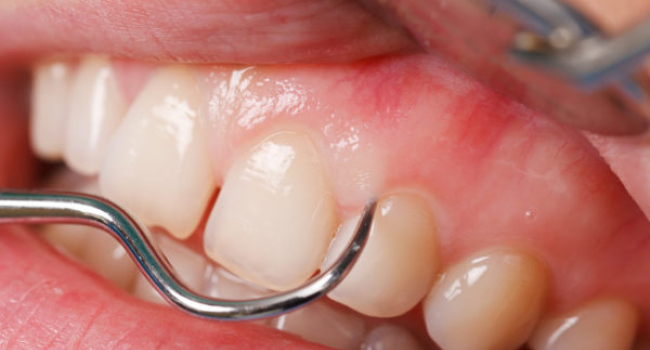
A new study has revealed a potential connection between gum disease and one of the most common forms of heart valve disease. Researchers suggest that bacteria responsible for periodontal disease may contribute to the development of calcific aortic valve stenosis (CAVS) by triggering inflammation and promoting calcium buildup in the heart valve.
The findings were presented at the American Heart Association’s Basic Cardiovascular Sciences Scientific Sessions 2026, held in Boston from July 13 to 16. Although the results are preliminary, researchers say they may open new avenues for preventing and treating this serious cardiovascular condition.
Calcific aortic valve stenosis occurs when the aortic valve gradually thickens and becomes calcified, restricting blood flow from the heart to the rest of the body. The disease may remain unnoticed in its early stages, but as it progresses, it can cause fatigue, chest discomfort, shortness of breath, fainting, heart failure, and in severe cases, premature death. Currently, valve replacement surgery remains the main treatment option for advanced disease.
The study identified a possible biological pathway linking chronic gum infection with heart valve damage. Researchers focused on Porphyromonas gingivalis (P. gingivalis), a bacterium strongly associated with periodontal disease, gum inflammation, and tissue destruction.
Previous studies have also connected *P. gingivalis* with systemic inflammation and an increased risk of cardiovascular diseases, including artery plaque formation and coronary artery disease.
Scientists analyzed heart valve tissue collected from patients undergoing valve replacement surgery. They compared calcified aortic valves from people with CAVS to samples from patients with other valve disorders.
"We were surprised by how much P. gingivalis was present in the calcified aortic valves," said Chenyang Li, M.D., a Ph.D. candidate at the State Key Laboratory of Cardiovascular Disease at Fuwai Hospital, National Center for Cardiovascular Diseases, Chinese Academy of Medical Sciences and Peking Union Medical College in Beijing.
"Although it was not one of the most abundant bacteria overall, it showed one of the largest differences between valves with CAVS and valves without CAVS. This unexpected finding led us to investigate its potential role in the development of CAVS," Li added.
To explore the mechanism further, researchers conducted experiments in mice. Animals exposed to live P. gingivalis showed bacterial accumulation in the aortic valve, increased calcium deposits, and symptoms resembling aortic stenosis. Preventive antibiotic treatment reduced these effects.
The researchers also found that the bacterium activated interleukin-1 beta (IL-1β), an inflammatory molecule produced mainly by immune cells. When the IL-1β pathway was genetically removed, valve calcification and disease-related changes were significantly reduced.
Researchers emphasize that maintaining good oral health may have broader benefits beyond preventing dental problems.
"The key message is simple: take good care of your oral health," Li said. "Good oral hygiene and treatment of periodontal disease are important for overall health and may also have benefits for cardiovascular health."