make preferable
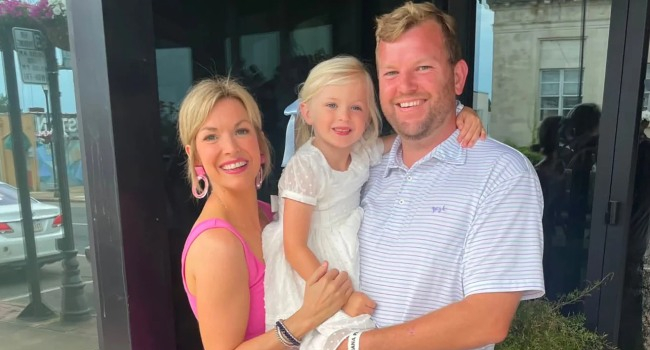
An 8-year-old girl from northern Louisiana has died after contracting a rare and often fatal infection caused by the brain-eating amoeba Naegleria fowleri. Health officials believe she was exposed to the organism while swimming in a local lake.
Lillian Smart, from Ruston, died in hospital over the weekend, shortly after celebrating her eighth birthday. Her family said the infection caused severe swelling and damage to her brain.
Louisiana health officials announced last week that a state resident had likely contracted Naegleria fowleri after swimming in Lake Claiborne, located about 30 miles northwest of Ruston. Although authorities did not publicly identify the patient, Lillian’s family and friends confirmed her identity to local media.
Naegleria fowleri is a microscopic amoeba that lives in warm freshwater. Infection can occur when contaminated water enters the nose, allowing the organism to travel to the brain. The amoeba does not cause infection when swallowed and cannot spread from one person to another.
The resulting disease, known as primary amebic meningoencephalitis, is extremely rare but progresses rapidly and is usually fatal.
According to the Louisiana Department of Health, only 180 confirmed cases of Naegleria fowleri infection were recorded in the United States between 1937 and 2025. Louisiana reported three cases during that period.
Early symptoms can resemble other illnesses and may include headache, fever, nausea and vomiting. As the infection progresses, patients can develop a stiff neck, confusion, hallucinations, problems with balance and other severe neurological symptoms.
Lillian had been receiving intensive care since the previous week. According to her mother, she was initially admitted with a fever that later progressed to double vision.
Most reported infections have occurred in warmer southern and central US states, where conditions are favorable for the amoeba. However, researchers have warned that rising water temperatures associated with climate change could allow Naegleria fowleri to appear in areas where it has historically been less common.
Lillian’s death has deeply affected the Ruston community. Local businesses had organized birthday fundraisers to support her family during her treatment. Residents described the girl as cheerful and well known in the community.
Her parents said they were devastated by her death and grateful to everyone who had supported their daughter.
Previous fatal cases have also been reported in other US states, including Georgia and Nebraska. In those cases, health officials likewise linked the infections to exposure to contaminated freshwater.