make preferable
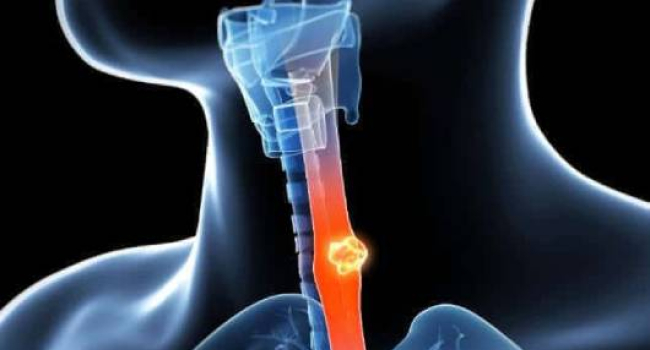
Eosinophilic esophagitis—a chronic inflammatory disease of the esophagus—can go undiagnosed for years because its symptoms are mistaken for a severe food allergy. This is according to two new studies presented at the annual meeting of the American College of Allergy, Asthma and Immunology in Phoenix, HealthDay reports.
According to the researchers, the number of eosinophilic esophagitis diagnoses has increased sevenfold since 2009. The condition is often associated with a reaction to certain foods, including milk and wheat.
In eosinophilic esophagitis, eosinophils—a type of white blood cell involved in immune responses—accumulate in the lining of the esophagus. This causes inflammation and swelling. As the disease progresses, swallowing becomes more difficult, and food can become stuck in the esophagus.
One study involved 29 patients who were initially suspected of having a severe food allergy but were later diagnosed with eosinophilic esophagitis. On average, it took more than five years to reach the correct diagnosis.
“Not every frightening reaction after eating is anaphylaxis,” said lead study author Dr. Talal Nsouli of the Watergate and McLean Allergy and Asthma Centers and Georgetown University School of Medicine in Washington.
The second study found that the condition is most often first diagnosed in teenagers and people around the age of 40. Eosinophilic esophagitis was also more common in patients with other allergic conditions, including asthma, eczema and food allergies.
Experts recommend seeing a doctor for recurring swallowing difficulties, especially if tests do not confirm a food allergy. Early diagnosis and treatment help prevent long-term damage to the esophagus.