make preferable
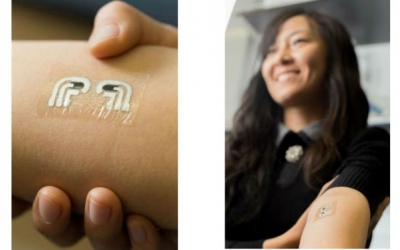
The team of nanoengineers from the University of California, San Diego, suggested to use temporary tattoos instead of traditional devices to improve the quality of life of diabetics.
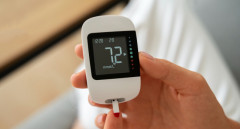
People with diabetes have to check their blood glucose levels several times a day, puncturing their hands skin, which makes their life difficult. Therefore the development of less-invasive means of controlling blood glucose is very urgent.
A graduate student Amay Bandodkar and her collegues, working in the laboratory of professor Joseph Wang, have developed and tested the prototype of the device on the base of flexible electronics. These are two electrodes printed on paper substrate.
According to Analythical Chemistry, after inserting the tattoo, human's body is exposed to the influence of a weak electric current within ten minutes.
In this case the sodium ions in the intracellular fluid migrate to the tattoo electrodes. They also bring the glucose molecules from the same fluid directly to the transmitter. As a result, the sensor measures the amount of electric charge, created by the glucose molecules and, thus, determines its concentration.
The temporary tattoo prototype was tested in laboratory conditions among healthy men and women, aged 20-40. The device was as affective as the traditional blood-testing device.
At this age of developing the device, patients are not allowed to check the blood glucose concentration by themselves, but specialists actively work on creating the appropriate reading device. Finally, researchers hope that the required information from the transmitter will be received via Bluetooth, installed in smartphones.