make preferable
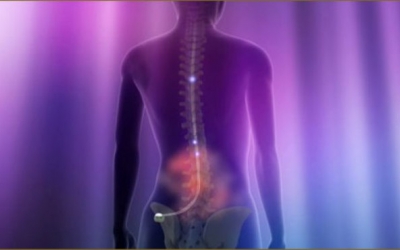
Pain in the back - one of the most intractable diseases. The technique — "spinal cord stimulation" — is particularly well-suited to people with nerve damage or who have had unsuccessful back surgery, Dr. Rosenblatt tells Newsmax Health.
"We find tremendous success in treating patients who've had back surgery and still have pain [due to] failed back syndrome or post-laminectomy syndrome," says Dr. Rosenblatt, who is featured in a new documentary called "Pain Matters" on the Discovery Channel. "It works very well for patients who have neuropathic injuries, that is nerve-type injuries of their lower extremities."
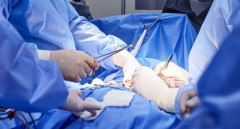
The technique involves surgically implanting a device under the skin of a patient's back that delivers an electrical current to the outer part of the spinal canal, sending a signal to the brain that overrides the pain. Some people experience a tingling sensation, a sense of vibration, or even the feeling of receiving a massage — known as paresthesia — where they used to experience discomfort.
"If your pain is, let's say, in your back and right leg, you should feel this paresthesia," says Dr. Rosenblatt, whose South Florida practice specializes in pain management. "Your body and your brain can't perceive both that vibration and the pain at the same time."
Dr. Rosenblatt adds that the procedure is comparable to an epidural during labor. It carries no risks of side effects beyond those for any surgical procedure (such as bleeding and infection). And most insurance companies cover it.
In addition, patients can undergo a preliminary trial to see if works before having surgery. In an office procedure, a temporary stimulation device is implanted under the skin so patients can try it out for a few days at home. If it proves effective, they can return for the 45-minute surgery to have the device surgically implanted.