make preferable
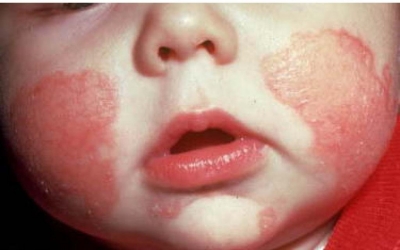
Eczema is an inflammation of the skin that is the most common in those with a personal or family history of asthma, hay fever or other allergies. The condition can recur throughout life. And dry, sensitive skin may always be a concern.
Specialists say, up to 30 percent of children under age 2 have atopic dermatitis (eczema).
Eczema or just dry skin?
Eczema can start as dry skin, but it’s more than dryness. It’s a red, extremely itchy rash that can ooze or become even more red and itchy when scratched. Sometimes scratching can cause the rash to bleed, crust and scale over
Eczema changes its location with age
Eczema can appear anywhere on the body, but location often changes with age. It’s usually on the:
• Face and scalp in infants
• Arms and legs in toddlers
• Elbows, wrists, creases of hands, knees, ankles, feet and neck in teens and adults
Environmental factors can also trigger Eczema
While dry skin can trigger flares, so can environmental factors, including:
• Allergens, like pollen and pets
• Skin irritants, like laundry detergents, dyes, fragrances and other chemicals
• Clothing fabrics
• Heat and sweating
• Stress
How to control Eczema?
In addition to avoiding triggers, good skin care is the best way to prevent the dry skin, and these tips are also for children:
1. Bathe daily. People used to think that bathing less was better for dry skin, but that’s no longer true. Says. Today, we can find soaps, cleansers and washes that are more mild and don’t strip skin of hydration. Use lukewarm (not hot) water and mild soaps or products that are “fragrance free,” “hypoallergenic” or “for sensitive skin.”
2. Slather on moisturizing cream. Do it immediately after bathing and then reapply moisturizer two or three times throughout the day. Studies show that moisturizing creams with ceramides that are most effective.
3. Stop itches from intensifying.
Remember that itching begets more itching. Keep your child’s hands and brain busy also can help distract from the itch.
While it’s not curable, eczema can be controlled, remind doctors. Those who have had flares, even as infants, need to protect their skin for the rest of their lives.