make preferable
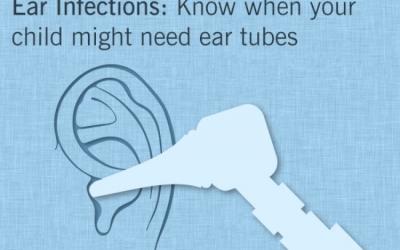
When an infant has an ear infection, it can be hard to recognize. At least older kids can tell you what they’re feeling, whether it be pain, fullness in their ear, blocked up hearing, or discomfort.
Ear infections are a common part of childhood, though adults are not immune. Typical remedies include treating individual infections with doctor visits and antibiotics or, for chronic cases, using antibiotics long-term to prevent infections.
However, in some circumstances, when these remedies aren’t working well enough, a child might need what we commonly call ear tubes, or tympanostomy tubes.
Babies too young to say where it hurts may rub or tug their ears, cry, and be irritable or unable to sleep.
Ear tubes offer immediate relief and restore hearing, which is especially important for young ones learning speech and language skills.
According to Richard Freeman, MD, PhD, otolaryngologist at Cleveland Clinic’s Westlake Family Health Center, it may be time to seriously consider ear tubes if your child has had:
Three ear infections in six months or four infections in 12 months
Any ear infection not resolved with antibiotics
Hearing loss caused by fluid buildup behind the eardrum, especially lasting more than four to six months
Ear tube surgery is one of the most common childhood surgeries. More than half a million are performed each year — usually on patients one to three years old. The procedure takes about 10 minutes, and risk of complication is very low.
Here’s what happens:
Your child receives general anesthesia so he or she is relaxed and comfortable.
The doctor clears wax and debris from the ear.
Using a microscope, he or she makes a small incision in the eardrum and removes any fluid behind it.
Then, the doctor inserts a tiny tube through the incision. It acts like a vent, equalizing air pressure in the middle ear, which helps prevent fluid buildup and infections.
Your child wakes up, goes home and has a normal day.
“Many children never have another ear infection,” says Dr. Freeman.
Ear tubes typically stay in about a year and fall out on their own. Often, tubes that don’t fall out can be removed easily in the doctor’s office. Occasionally a second operative procedure is needed.