make preferable
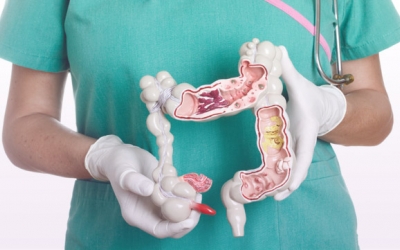
IT-hydrogel targets drug release to the inflamed mucosa. (A) A lipophilic drug is loaded into IT-hydrogel during gelation. The drug integrates into the hydrophobic core of the lipid bilayer. (B) Negatively charged IT-hydrogel microfibers do …more
In the United States, more than 1 million people suffer from inflammatory bowel disease (IBD), and its incidence around the world continues to rise. But treatment delivery options for patients remain limited: many people must rely on daily enemas, which can be uncomfortable, impractical and lead to side effects when medicine is absorbed by healthy tissue. Investigators from Brigham and Women's Hospital (BWH) and collaborators from Massachusetts General Hospital (MGH) and MIT set out to find a better way to deliver medicine using a gel-like material created in the lab. The team, brought together by Harvard Institute of Translational Immunology Pilot Grants in Crohn's Disease from The Leona M. and Harry B. Helmsley Charitable Trust, reports in Science Translational Medicine this week that their hydrogel material was able to stick to sites of inflammation and slowly deliver medicine over time, a breakthrough that has the potential to offer a more targeted enema-based therapy for patients in the future.
"We realized that if we could develop a disease-targeted hydrogel system that rapidly attaches to ulcers and slowly release drugs at the site of inflammation, then we could create a better way to deliver medicine only where the drug is needed," said co-corresponding author Jeff Karp, PhD, of the BWH Department of Medicine and a principal investigator at Harvard Stem Cell Institute. "We're hopeful that this technology will allow patients to take an enema once a week rather than every day and without systemic side effects or the need to retain the enema as the gel quickly attaches to ulcers, ultimately improving their quality of life."
The team began their work by selecting a material already approved by the FDA. They chose ascorbyl plamitate (AP), a negatively charged material that would automatically be attracted to positively charged sites of tissue damage, allowing the gel to anchor to these sites. The team then loaded the gel with a corticosteroid drug routinely used to treat IBD.