make preferable
Researchers from
Study leader Dr. Neil Harrison, from the Brighton and
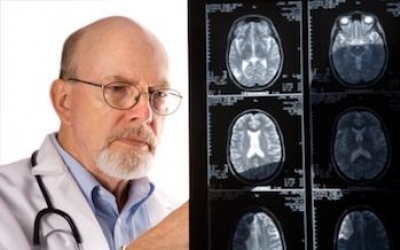
They used fluorodeoxyglucose (FDG)-positron emission tomography (PET) to scan the brains of the participants before and after the injection, measuring the inflammation occurring in the participants' brains.
The spatial memory of the participants was tested after each scan using a series of memory-based virtual reality tasks.
From the FDG-PET scans, the researchers observed that following inflammation there was a reduction in glucose metabolism within an area of the brain called the medial temporal lobe (MTL).
The participants did not perform as well in spatial memory tasks following a reduction in glucose metabolism. Even mild infections can cause spatial memory impairment.
"This study suggests that catching a cold or the flu, which leads to inflammation in the brain, could impair our memory," Dr. Harrison says, although he points out that there are unlikely to be long-term adverse effects from infections in young and healthy people.
But these findings may be significant for elderly people. The team wants to investigate what role inflammation may play in dementia and how infections such as flu may affect its progress.
Dr. Harrison hopes that his team's findings will lead to the development of new drugs that could treat dementia by targeting the immune system.
"Our findings suggest that the brain's memory circuits are particularly sensitive to inflammation and help clarify the association between inflammation and decline in dementia," says Dr. Harrison. "If we can control levels of inflammation, we may be able to reduce the rate of decline in patients' cognition."