make preferable
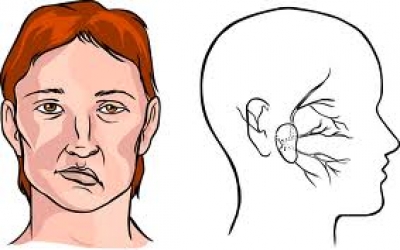
It is important to understand your risk of stroke and to work closely with your doctor, Cleveland clinic reports. “It comes down to knowing your risk factors,” says stroke neurologist M. Shazam Hussain, MD.
Here are things about stroke you should know:
1. Your age is the biggest risk factor
The biggest risk factor for stroke is age, traditionally over the age of 55 for men and 60 for women. But if you’re younger, don’t assume you’re in the clear. “We are seeing more and more young people with stroke,” says Dr. Hussain
2. Some risks can be controlled
Some stroke risk factors are beyond your control, like family history — you’re at higher risk if a parent, grandparent, sister or brother has had a stroke or a heart attack at an early age. But some risk factors may be controlled, especially when you work closely with your doctor, Dr. Hussain says. “We work with people to watch their blood pressure and control cholesterol levels, and we encourage them to quit smoking, limit alcohol, eat healthy and exercise regularly''.
3. You can calculate your risk
There’s no shortage of opportunities for you to know and understand your risk of stroke, including stroke risk calculators that will give you a score based on your age, blood pressure, smoking habits and minimal medical history. But your best bet is to maintain a relationship with a primary care physician and keep up with regular physicals, where screening for stroke risk factors is standard.
4. If you’ve already had a stroke, you need to be vigilant
“If a person has already suffered from a stroke or heart attack, we watch very closely for things that could put you at risk for another one,” says Dr. Hussain. He says doctors watch for stenosis — a narrowing of the blood vessels — especially in the carotid artery that carries blood to the brain. They also monitor your heart rhythm to watch for atrial fibrillation, or an irregular heartbeat. They may recommend medications or surgery to reduce your risk of another stroke.