make preferable
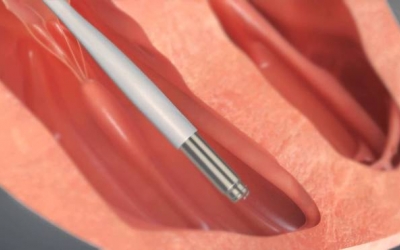
Cleveland Clinic physicians recently became among the first in the U.S. to implant a new miniature leadless cardiac pacemaker that stimulates the heart to a regular rhythm without the connecting leads or wires of a conventional device.
If approved by the Food and Drug Administration, the device could improve patient comfort by:
Replacing a surgical procedure with a percutaneous one (through the skin)
Eliminating the visible lump and scar on a patient’s chest
A Cleveland Clinic patient with a slowed heartbeat is the third in the nation to receive the Nanostim device as part of an international, multicenter clinical trial testing its safety and. The procedure was performed by Daniel Cantillon, MD.
The Nanostim device resembles a small, metal tube and is a few centimeters long – less than 10 percent the size of a conventional pacemaker. Using a small flexible tube, doctors placed the battery-operated device into a vein in the leg and guided the pacemaker through the vein into the heart. The battery is expected to last about eight years.
Cardiac pacemakers treat a too-slow heart rate called bradycardia. The pacemaker closely monitors the heart’s electrical rhythms. If the heartbeat is too slow, the pacemaker provides electrical stimulation to regulate it.